


Manga is loved by millions of people across the world. What started as a Japanese art form has now become a global culture. Readers in the United States, Europe, and many other places enjoy manga every day. But years ago, before official English translations were widely available, many fans had no way to read their favorite Japanese manga. This is where groups like olympus scanlation became important.
Olympus scanlation is known in online manga communities as one of the fan groups that helped bring Japanese manga to readers outside Japan. Through volunteer work, these fans translated manga from Japanese into English and shared it with people who had no other access. Over time, olympus scanlation became a well-known name among readers who wanted to explore manga beyond what publishers offered.
At the same time, scanlation also raised serious questions about copyright, ethics, and respect for creators. Today, as legal streaming and official translations are more common, the role of scanlation groups like olympus scanlation is changing.
This article explores the story, impact, and legacy of olympus scanlation. It looks at how the group helped spread manga culture worldwide, why fans supported it, and why the topic remains complex. You will also learn about the process behind scanlation, the ethical debates, and how readers today can support manga in better ways.
What Is Scanlation and Why It Became Popular
Scanlation is a mix of the words scan and translation. It describes the process where fans scan manga pages, translate them into another language, edit the text, and share the final version online for others to read.
In the early 2000s, official English manga releases were limited. Many series were never translated. Others were released years after the Japanese version. Fans who wanted to follow new stories had no choice but to wait or not read them at all.
This gap created a demand. Passionate fans stepped in to fill it. Groups like olympus scanlation formed online communities where volunteers worked together to translate manga for free.
Scanlation became popular because it gave readers access to stories they would never see otherwise. It also built strong communities of fans who loved manga deeply and wanted to share it with others.
The Rise of Olympus Scanlation in the Manga Community
Olympus scanlation gained attention because of the quality of its work and the passion of its members. Unlike random uploads, their releases often included careful translations, clean editing, and respect for the original art.
Readers began to recognize the name olympus scanlation as a reliable source for certain manga series. Over time, it built trust inside online manga forums and fan spaces.
What made olympus scanlation stand out was not just translation. It was the effort to explain cultural references, maintain story tone, and keep the reading experience smooth for English readers. This attention to detail made the group popular.
Many readers say they discovered new manga genres because of olympus scanlation. Romance, fantasy, slice of life, historical stories, and niche titles became accessible to international audiences.
Also Read: Pantagonar: The Ultimate Guide to a Natural Supplement for Hair, Nails, and Total Wellness
How Olympus Scanlation Helped Spread Manga Globally
Before platforms like Manga Plus, Crunchyroll Manga, and official publisher apps, fans depended on scanlation. Olympus scanlation played a role in this early global spread.
By translating lesser-known manga, olympus scanlation introduced readers to stories that were not commercially popular but artistically meaningful. This helped create interest in genres that publishers later recognized as valuable.
Some manga that were once scanlated by groups like olympus scanlation were later officially licensed because publishers saw international interest. In this way, fan activity indirectly influenced the business side of manga.
Olympus scanlation helped build a bridge between Japanese creators and global readers, even if it was not always legally clear.
The Process Behind Olympus Scanlation’s Work
Scanlation is not simple. It requires teamwork and skill. Olympus scanlation followed a structured process.
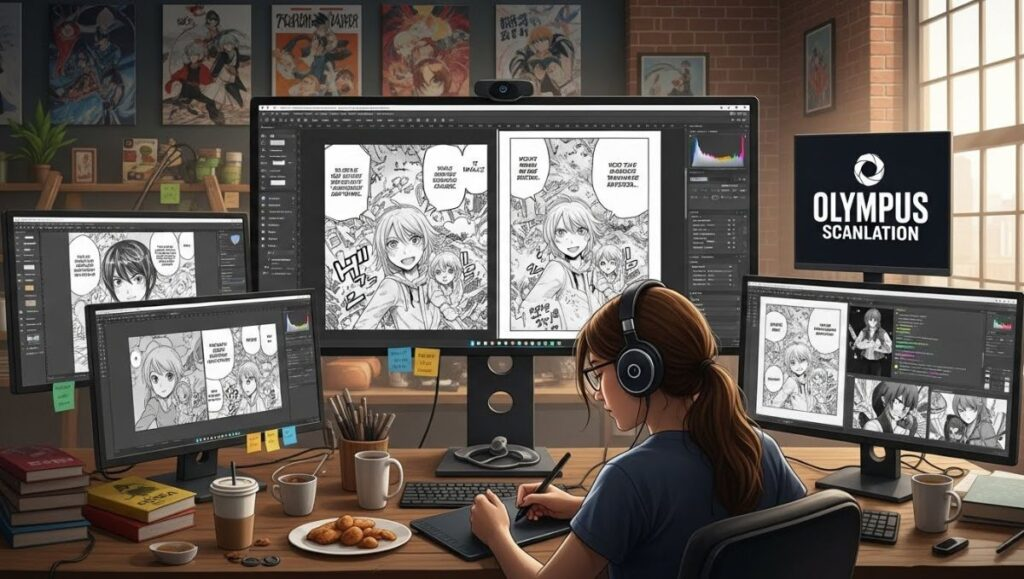
First, a raw manga chapter in Japanese was scanned. Then a translator converted the text into English. After that, a cleaner removed the Japanese text from the images. A typesetter added the English text in a way that matched the original style. Finally, proofreaders checked everything for mistakes.
This process took hours of volunteer work for each chapter. Members of olympus scanlation were not paid. They did it because they loved manga and wanted to share it.
Understanding this effort helps explain why readers respected the group so much.
Why Readers Supported Olympus Scanlation
Readers supported olympus scanlation for several reasons.
They could read manga that had no official translation. They could follow stories in real time instead of waiting years. They could explore different genres. They could join a community of fans who discussed the stories together.
For many young readers in the United States, olympus scanlation was their first introduction to manga culture. It shaped their reading habits and interests.
Some readers later became buyers of official manga because they first discovered the series through olympus scanlation.
The Ethical Concerns Around Scanlation
Even though olympus scanlation helped fans, scanlation exists in a legal gray area. Manga is protected by copyright. Translating and sharing it without permission is not legal.
Creators and publishers depend on sales to continue their work. When readers choose scanlations instead of official releases, creators may lose income.
This creates a conflict. On one side, fans want access. On the other side, creators deserve support and payment.
Olympus scanlation, like many groups, operated with good intentions, but the ethical concerns remain important.
How the Manga Industry Responded Over Time
As manga became more popular worldwide, publishers noticed the demand. They started releasing official translations faster. Digital platforms made it easier for readers to access manga legally.
Also Read: Obligation Linéaire: A Complete, Professional Guide for Smart Investors
Today, many series are available in English on the same day they are released in Japan. This change reduces the need for scanlation.
Groups like olympus scanlation became less active as official options improved. Some members even encouraged readers to support official releases.
This shift shows how the industry adapted partly because fan communities proved there was a global audience.
Olympus Scanlation and Community Building
Beyond translation, olympus scanlation created a sense of belonging. Readers gathered on forums to discuss chapters, share theories, and recommend titles.
This community feeling is a big part of manga culture today. Online discussions, fan art, and fan theories grew from these early scanlation communities.
Olympus scanlation helped create spaces where manga fans from different countries could connect.
The Difference Between Past and Present Scanlation
In the past, scanlation filled a real gap. Today, that gap is much smaller. Many popular manga are available legally and quickly.
This changes how readers view groups like olympus scanlation. What was once seen as helpful is now seen by some as unnecessary.
However, the historical role of olympus scanlation remains important in understanding how manga became global.
Lessons From Olympus Scanlation for Today’s Readers
The story of olympus scanlation teaches readers several lessons.
Access matters. Fans want to read stories without barriers. Community matters. People enjoy sharing interests together. Respect for creators matters. Artists deserve support for their work.
Today, readers can use legal platforms and still enjoy global manga culture.
How Readers Can Support Manga Creators Today
If you discovered manga through scanlation in the past, you can now support creators in better ways.
Buy official volumes. Use legal manga apps. Subscribe to publisher platforms. Recommend legal sources to friends.
This keeps the manga industry strong and ensures more stories are translated.
Why Olympus Scanlation Still Matters in Manga History
Olympus scanlation represents a time when fans took action because official systems were slow. It shows the passion of manga readers and their desire to connect with stories.
Even though the practice is controversial, the impact on global manga culture is real and lasting.
Understanding olympus scanlation helps us understand how manga grew from a Japanese art form into a worldwide phenomenon.
The Cultural Impact of Olympus Scanlation on US Manga Fans
For many US readers, olympus scanlation was part of their early manga experience. It introduced them to Japanese storytelling, art styles, and cultural themes.
This helped build appreciation for Japanese culture beyond manga, including anime, language learning, and travel interest.
Is Scanlation Still Relevant Today
Scanlation exists today, but its role is smaller. With official translations widely available, many readers choose legal options.
The need that groups like olympus scanlation once filled is not as strong as before.
The Legacy of Olympus Scanlation
The legacy of olympus scanlation is not just about manga pages. It is about how fans helped shape global reading habits. It is about community, passion, and the love of stories.
Also Read: Cevurı: The Complete Guide to a Traditional Turkish Dish Rooted in Anatolian Heritage
It also reminds us why respecting creators is important.
Conclusion: Understanding Olympus Scanlation in a Balanced Way
Olympus scanlation played a part in spreading manga worldwide. It helped readers access stories they loved. It built communities and inspired interest in Japanese culture.
At the same time, it raised ethical and legal questions that cannot be ignored.
Today, readers have better choices. By learning about olympus scanlation, we understand both the history of manga’s global growth and the importance of supporting creators in the present.
FAQs About Olympus Scanlation
What is olympus scanlation known for?
Olympus scanlation is known for translating Japanese manga into English for fans before official translations were widely available.
Did olympus scanlation make money from manga?
No, olympus scanlation members were volunteers who worked out of passion for manga, not for profit.
Why did readers trust olympus scanlation?
Readers trusted olympus scanlation because of its high translation quality and careful editing work.
Did olympus scanlation influence official manga releases?
Yes, interest shown by readers through scanlation sometimes helped publishers see demand for certain series.
Can readers still find olympus scanlation work today?
Some older releases may still exist online, but many readers now prefer official sources.
How is today’s manga access different from the past?
Today, official translations are faster and easier to access through legal apps and websites.
What is the main lesson from olympus scanlation?
The main lesson is that fans love access to stories, but creators should also be supported fairly.
Why is olympus scanlation important in manga history?
It represents an early stage of global manga sharing before official systems caught up with demand.
How can new manga fans enjoy stories ethically?
They can use legal platforms, buy official books, and support publishers and artists directly.