


Crocolini, an emerging green vegetable, is gaining attention for its unique taste, texture, and impressive nutritional profile. A member of the brassica family, Crocolini is similar in appearance to broccolini, but it stands out for its slender stalks and delicate leaves. Often described as a hybrid of broccoli and Chinese kale, Crocolini offers a light, fresh flavor that appeals to health-conscious consumers seeking new, flavorful additions to their diets. With its growing popularity in kitchens and health food markets across the United States, Crocolini is quickly becoming a household name.
In this comprehensive guide, we will explore everything you need to know about Crocolini, from its origins and cultivation to its nutritional benefits, culinary uses, and how it compares to other popular vegetables. By providing updated insights and useful tips, this article aims to provide value to those interested in incorporating Crocolini into their meals while improving search engine rankings by adhering to SEO best practices.
What is Crocolini?
Crocolini is a type of tender-stem brassica vegetable that is part of the broccoli family. Known for its tender stalks and delicate, slightly sweet leaves, Crocolini is often referred to as “baby broccoli” or “tenderstem broccoli.” Despite its similarities to broccolini, Crocolini has slimmer stems and more delicate leaves, making it a more elegant option for those looking to incorporate a refined vegetable into their dishes.
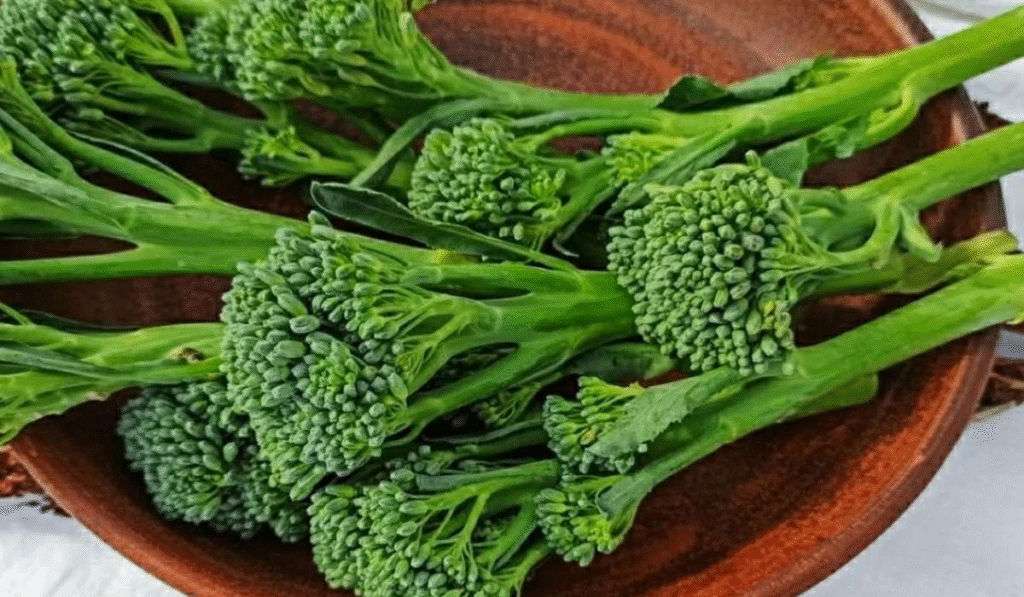
Like other brassicas, Crocolini is packed with essential nutrients such as vitamins A, C, K, and folate, along with fiber, calcium, and iron. Its mild flavor and versatile texture make it suitable for a wide range of recipes, from salads and stir-fries to soups and side dishes.
The Origins of Crocolini
The exact origin of Crocolini is somewhat unclear, but it is widely believed to have been developed in the Mediterranean region. It is thought to be the result of natural cross-breeding between broccoli and Chinese kale. Over the past few decades, Crocolini has been cultivated more extensively, particularly in Europe and parts of the United States.
As an heirloom vegetable, Crocolini has gained a reputation for being a high-quality produce with a refined taste, making it a popular choice among chefs and home cooks alike. The vegetable is increasingly available in grocery stores, farmers’ markets, and specialty food stores.
Also Read: Lessinvest.com Real Estate: A Revolutionary Platform for Investors
The Nutritional Value of Crocolini
Crocolini is more than just a tasty addition to your meal—it is also a powerhouse of nutrition. Packed with vitamins, minerals, and antioxidants, this vegetable offers a wide range of health benefits. Here is a breakdown of the key nutrients found in Crocolini:
- Vitamins A, C, and K: Crocolini is a rich source of vitamins that are essential for maintaining healthy skin, immune function, and bone health. Vitamin A promotes good vision and skin health, while vitamin C strengthens the immune system and supports the production of collagen. Vitamin K is vital for blood clotting and bone health.
- Folate: This B-vitamin is crucial for proper cell function and tissue growth, especially during pregnancy. It plays an important role in preventing birth defects and supporting overall cell development.
- Calcium and Iron: Both calcium and iron are essential minerals that play a vital role in maintaining strong bones, muscle function, and blood health. Crocolini is a plant-based source of these minerals, making it a great option for vegans and vegetarians.
- Fiber: With its high fiber content, Crocolini helps to support digestive health, regulate blood sugar levels, and maintain healthy cholesterol levels. Fiber also promotes satiety, helping to control hunger and prevent overeating.
- Antioxidants: Crocolini contains a variety of antioxidants, including flavonoids and carotenoids, which help to combat oxidative stress in the body. These antioxidants play a role in reducing inflammation and preventing chronic diseases like heart disease and cancer.
How to Grow Crocolini
Growing Crocolini is relatively simple, making it an attractive option for both experienced gardeners and those new to vegetable cultivation. It thrives in cooler climates and can be grown in both garden beds and containers. Crocolini plants are hardy and tolerant of mild frosts, making them suitable for various growing seasons. The following steps outline how to grow Crocolini successfully:
- Choose the Right Location: Crocolini prefers full sun and well-drained, fertile soil. A location with good airflow will help prevent diseases and encourage healthy growth.
- Prepare the Soil: Before planting, ensure that the soil is rich in organic matter. Add compost or well-rotted manure to the soil to improve its texture and nutrient content.
- Planting Crocolini: Crocolini seeds should be planted in early spring or late summer, depending on the climate. Space seeds about 6 inches apart in rows, ensuring that they have enough room to grow. For best results, consider starting seeds indoors and then transplanting them outdoors once the risk of frost has passed.
- Watering and Maintenance: Crocolini requires consistent moisture, but the soil should not be waterlogged. Water regularly, especially during dry spells, and mulch around the plants to retain moisture and suppress weeds.
- Harvesting: Crocolini is ready to harvest once the stalks reach about 10-12 inches in height. The vegetable can be harvested by cutting the stems just above the base of the plant. It’s important to harvest Crocolini promptly to prevent it from becoming too fibrous or bitter.
Culinary Uses of Crocolini
Crocolini’s mild flavor and crisp texture make it an excellent addition to a wide variety of dishes. Here are a few popular ways to enjoy Crocolini:
Also Read: EO Pis: The Executive Operations Performance Indicator System
- Stir-fries: Crocolini is often used in Asian-inspired stir-fries, where it pairs perfectly with soy sauce, garlic, ginger, and sesame oil.
- Salads: Raw Crocolini adds a fresh, crunchy element to salads. It can be blanched lightly to soften it, or eaten raw for added texture.
- Roasted or Grilled: Roasting or grilling Crocolini brings out its natural sweetness. Simply toss with olive oil, salt, and pepper, and roast at 400°F for about 10-15 minutes for a delicious side dish.
- Soups and Stews: Crocolini can be added to soups and stews for extra nutrients and flavor. It pairs well with both vegetarian and meat-based broths.
- Pasta: Crocolini is a great vegetable to incorporate into pasta dishes. Toss it with olive oil, garlic, and parmesan for a quick and satisfying meal.
- As a Side Dish: Crocolini is a versatile vegetable that can be served as a side dish with virtually any main course, from grilled meats to vegetarian meals.
Health Benefits of Eating Crocolini
Incorporating Crocolini into your diet offers numerous health benefits. Here are some of the ways it can improve your overall well-being:
- Supports Heart Health: The antioxidants and fiber in Crocolini help reduce inflammation and promote healthy blood circulation, lowering the risk of heart disease.
- Boosts Immunity: Crocolini’s high vitamin C content strengthens the immune system and helps the body fight off infections.
- Aids Digestion: The fiber in Crocolini promotes healthy digestion, preventing constipation and supporting a healthy gut microbiome.
- Promotes Bone Health: With its high levels of calcium and vitamin K, Crocolini supports strong bones and reduces the risk of osteoporosis.
- Regulates Blood Sugar: The fiber content in Crocolini helps regulate blood sugar levels, making it a great option for people with diabetes or those looking to maintain stable energy levels.
Crocolini vs. Broccolini: What’s the Difference?
While Crocolini and broccolini share similarities, they are distinct vegetables. Both are part of the brassica family and have long, tender stalks, but Crocolini tends to have thinner, more delicate stems than broccolini. The flavor of Crocolini is milder and sweeter, while broccolini can have a slightly stronger, more bitter taste. Additionally, Crocolini’s leaves are often more tender and less fibrous compared to those of broccolini.
Also Read: JR Geo: Exploring Maps, Analyzing Locations, and Understanding Geography Digitally
Frequently Asked Questions (FAQs)
What is the difference between Crocolini and Broccolini?
While both are tender-stem brassicas, Crocolini is slimmer and has more delicate leaves compared to broccolini. The flavor of Crocolini is milder and sweeter, whereas broccolini tends to have a stronger taste.
Can Crocolini be eaten raw?
Yes, Crocolini can be eaten raw in salads or as a crunchy snack. It has a mild, sweet flavor when raw, making it a great addition to fresh dishes.
How do I store Crocolini?
To keep Crocolini fresh, store it in the refrigerator in a perforated plastic bag. It should stay fresh for up to five days.
Is Crocolini a good source of protein?
While Crocolini is not a high-protein vegetable, it does contain some protein as part of its nutritional profile. However, it is more renowned for its vitamins, minerals, and fiber content.
Can Crocolini help with weight loss?
Crocolini is low in calories and high in fiber, making it a great choice for those looking to manage their weight. The fiber helps promote satiety and aids in digestion.
Conclusion
Crocolini is an exceptional vegetable that offers a unique combination of taste, texture, and nutritional benefits. Whether you’re a seasoned chef or a home cook looking to experiment with new ingredients, Crocolini is a fantastic addition to your culinary repertoire. With its growing popularity and health benefits, it’s no surprise that Crocolini is becoming a staple in kitchens across the United States.
By understanding the origins, nutritional benefits, and culinary uses of Crocolini, you can make the most of this versatile vegetable and improve your overall health.