


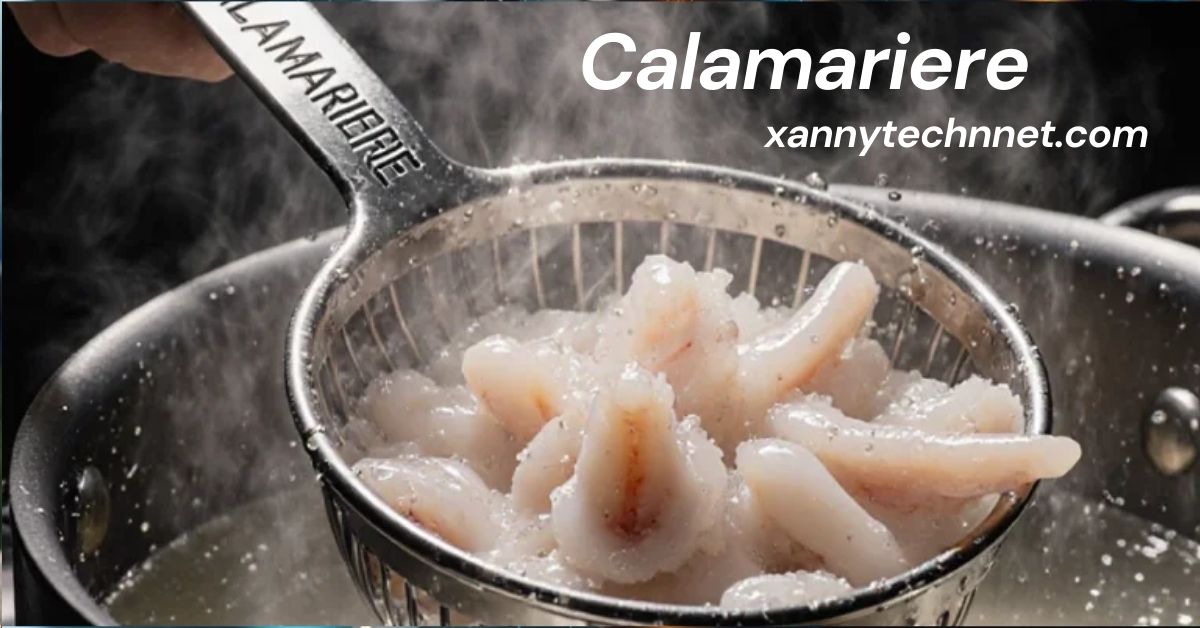
Calamariere refers to squid, specifically in its culinary preparation. The term “calamariere” derives from the Italian word for squid, calamaro, which is often prepared in various ways for both cooking and gourmet consumption. The squid, a member of the cephalopod family, is renowned for its tender texture and unique flavor, making it a prized ingredient in various cuisines, particularly Mediterranean and Italian.
In this article, we will delve into everything you need to know about calamariere, from its origins to the modern methods of preparation. We’ll explore the nutritional benefits, common cooking techniques, and answer some frequently asked questions to ensure you are fully equipped to enjoy this delicious seafood.
What is Calamariere?
Understanding the Terminology
“Calamariere” essentially refers to the preparation and use of squid in culinary dishes. Squid itself is a versatile seafood that can be grilled, fried, stuffed, or prepared in various sauces. It is particularly popular in Mediterranean cuisine, including dishes like calamari fritti (fried squid) and calamari ripieni (stuffed squid).
The word “calamari” is commonly used in the U.S. and globally to describe squid, often in relation to a dish rather than the creature itself. However, “calamariere” refers specifically to the process of preparing and cooking the squid, with emphasis on traditional, expert methods of ensuring the best texture and flavor.
The Squid: The Heart of Calamariere
Squid Characteristics and Varieties
Squids, belonging to the cephalopod class, are mollusks known for their soft bodies and tentacles. There are several species of squid, but the most commonly used in culinary dishes is the Loligo species, including the Loligo vulgaris. These squid are typically 12 to 24 inches long, with a mild, slightly sweet flavor and firm texture when properly prepared.
The body of the squid, known as the mantle, houses the majority of the meat and is the primary part used in cooking. The tentacles, often used as garnishes or in specific recipes, add to the dish’s visual appeal and texture.
Fresh vs. Frozen Calamariere
While fresh squid is often considered the gold standard, frozen squid is a highly practical alternative. The freshness of the squid affects its texture, with freshly caught squid being slightly more tender and flavorful. However, frozen squid, if properly thawed, can deliver excellent results when prepared correctly.
Also Read: Crocolini: The Emerging Green Vegetable That’s Revolutionizing Healthy Eating
Nutritional Value of Calamariere
Health Benefits of Squid
Calamariere (squid) is a nutritional powerhouse, providing numerous health benefits while being low in calories. Here are some key points to note:
- High in Protein: Squid is an excellent source of high-quality protein, which is essential for muscle growth, tissue repair, and overall bodily functions.
- Low in Fat: It is naturally low in fat, making it an ideal choice for those who are looking to maintain a healthy diet.
- Rich in Omega-3 Fatty Acids: Omega-3s are important for heart health and brain function, and calamariere is a great source of these essential fats.
- Vitamins and Minerals: Squid is rich in B-vitamins, especially B12, as well as minerals like zinc, copper, and selenium, which are crucial for immune function and cellular health.
While calamariere is nutritious, it should be consumed in moderation due to its cholesterol content. When prepared using minimal oils or frying methods, it can be a very healthy and flavorful seafood option.
How to Prepare and Cook Calamariere
Popular Cooking Methods for Calamariere
Calamariere is incredibly versatile and can be prepared in numerous ways to suit different tastes. Here are some of the most popular methods for preparing squid:
Also Read: MataRecycler: Revolutionizing the Recycling Process with Technology
- Frying (Calamari Fritti): This is one of the most common methods of preparing calamariere. The squid is battered and deep-fried until crispy and golden. The batter can be seasoned with various herbs and spices to enhance the flavor.
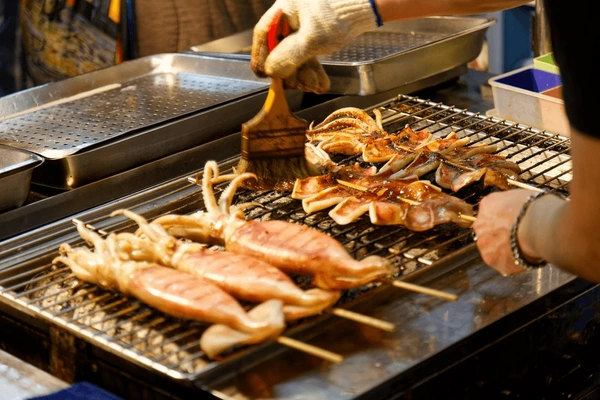
- Grilling (Calamari alla Griglia): Grilled calamariere is a popular Mediterranean dish. The squid is lightly seasoned with olive oil, garlic, and lemon, then grilled for a few minutes until it’s tender but still slightly chewy.
- Stuffing (Calamari Ripieni): This involves stuffing the squid with a mixture of breadcrumbs, garlic, herbs, and sometimes seafood or meat. It is then baked or braised in a flavorful sauce, often made with tomatoes, white wine, and olive oil.
- Sautéing: Sautéed squid is cooked quickly in a hot pan with olive oil and garlic. This method preserves the squid’s natural texture and is often paired with pasta or served as a seafood entrée.
- In Sauces (Calamari alla Luciana): Calamariere can also be simmered in rich tomato sauces or added to seafood stews. This method infuses the squid with the flavors of the sauce, creating a hearty and flavorful dish.
Choosing the Right Squid for Your Calamariere
Selecting Fresh Squid
When shopping for squid, look for those that have firm, translucent flesh. The body should not be discolored, and the tentacles should be intact. A fresh squid should smell like the ocean, with no pungent or overly fishy odors.
Preparing the Squid
Preparing squid for cooking requires cleaning and possibly scoring the flesh to ensure it cooks evenly. The process involves:
- Removing the Innards: Slice open the body to remove the internal organs.
- Peeling the Skin: The outer skin can be removed to expose the white, tender flesh.
- Cutting the Tentacles: The tentacles should be kept whole or chopped depending on the recipe.
Calamariere in Global Cuisines
Mediterranean Influence
Calamariere is a staple in Mediterranean cuisine, particularly in Italian and Greek cooking. The Italians often use it in seafood pasta dishes, while the Greeks may grill or fry it, serving it with a fresh squeeze of lemon.
Asian Cuisine
In Asian cooking, calamariere is often used in stir-fries, sushi, and tempura. In Japan, squid is popular for sushi rolls, while in Thai cuisine, it’s frequently used in spicy seafood curries.
Latin American and Caribbean
In Latin American countries, particularly along the coasts, squid is often prepared in ceviche, a dish where seafood is marinated in citrus juices, or it is cooked in stews.
Also Read: EvonyGalore: The Ultimate Guide to Winning Strategies and Community Insights in Evony
Frequently Asked Questions About Calamariere
What is calamariere made of?
Calamariere is made from squid, a sea creature that is known for its tender, flavorful meat. It is prepared in various ways, such as frying, grilling, or stuffing.
Is calamariere healthy?
Yes, calamariere is a healthy food option. It’s low in fat and calories while being high in protein, omega-3 fatty acids, and essential vitamins and minerals.
How can I make calamariere less chewy?
To avoid chewy calamariere, cook the squid for a short period of time over high heat. Overcooking squid can make it tough, so aim to cook it quickly, either by grilling or stir-frying.
What is the best way to season calamariere?
Squid pairs well with simple seasonings such as garlic, lemon, parsley, and olive oil. For a more Mediterranean touch, add oregano, basil, or red pepper flakes for a bit of heat.
Can calamariere be frozen?
Yes, squid can be frozen for future use. It’s best to freeze it in an airtight bag to prevent freezer burn. Thaw it in the refrigerator before cooking.
Conclusion
Calamariere is a delicious and versatile seafood option that can be prepared in countless ways to suit various tastes. Whether you enjoy it fried, grilled, or stuffed, calamariere offers a range of textures and flavors that can be incorporated into diverse culinary traditions. With its nutritional benefits, ease of preparation, and adaptability, calamariere is a must-try dish for seafood enthusiasts looking to explore new flavors.
By following the guidelines and tips in this article, you are well-equipped to enjoy calamariere in your own kitchen. Experiment with different cooking methods, seasonings, and cuisines to find your perfect calamariere dish.