


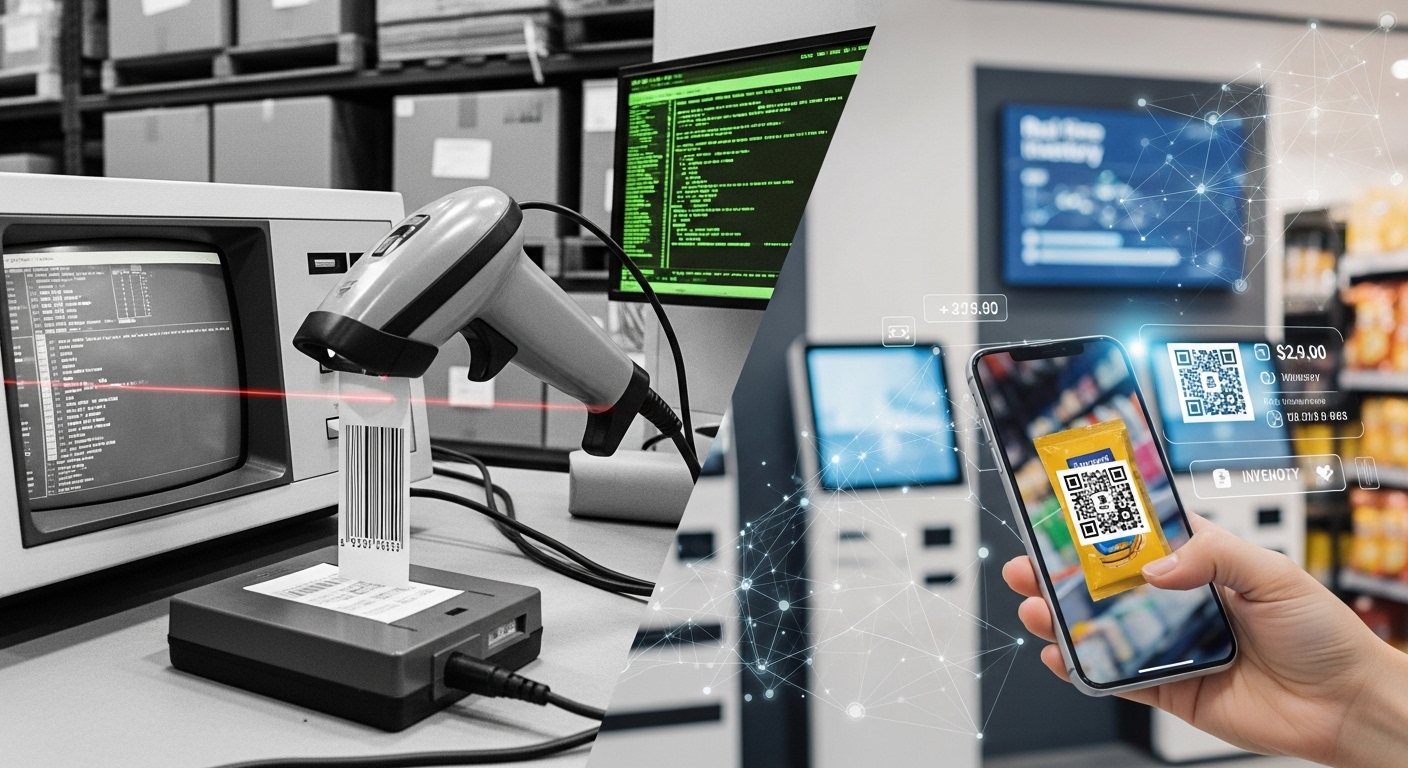
Barcode technology has become a core part of modern digital systems, helping businesses manage products, track inventory, and streamline operations with speed and accuracy. From retail stores to large-scale logistics networks, barcodes simplify data collection and reduce human error. Reliable barcode databases such as BarcodeReport play an important role by offering structured UPC and EAN data that developers and businesses can integrate into their systems for better automation and product identification.
What Is a Barcode and How Does It Work
A barcode is a visual representation of data that machines can read using scanners or cameras. It consists of lines, spaces, or patterns that encode numerical or alphanumeric information. When scanned, the barcode translates into digital data that software systems can instantly process. This technology eliminates manual data entry and allows faster, more accurate handling of product information across industries.
Importance of Barcodes in Inventory Management
Inventory management is one of the biggest beneficiaries of barcode technology. Businesses use barcodes to track stock levels, manage warehouse movements, and monitor product availability in real time. By scanning barcodes during receiving, storage, and shipping, companies can reduce losses, prevent overstocking, and improve overall operational efficiency without complex manual processes.
UPC and EAN Codes Explained
UPC (Universal Product Code) and EAN (European Article Number) are the most widely used barcode formats globally. UPC codes are mainly used in North America, while EAN codes are common internationally. Both formats uniquely identify products and manufacturers, making them essential for retail systems, online marketplaces, and global supply chains. Accurate UPC and EAN data ensures products are recognized correctly across different platforms.
Barcode Databases and Why They Matter
Barcode databases store detailed information linked to specific barcode numbers, including product names, brands, categories, and packaging details. Developers and businesses rely on these databases to validate products, build scanning applications, and enhance eCommerce listings. A well-maintained barcode database helps ensure consistency, reduces mismatches, and improves data reliability across systems.
Role of Barcodes in Software and App Development
Modern apps often integrate barcode scanning features for product lookup, price comparison, and inventory tracking. Developers use barcode APIs and databases to fetch real-time product details when a barcode is scanned. This integration is especially useful in retail apps, warehouse management systems, and mobile point-of-sale solutions where speed and accuracy are critical.
Barcodes in eCommerce and Online Marketplaces
In eCommerce, barcodes help standardize product listings and avoid duplicate entries. Online marketplaces use UPC and EAN codes to match products from different sellers to a single product page. This improves search accuracy, customer trust, and overall platform organization. Sellers also benefit by syncing inventory across multiple sales channels using barcode data.
Security and Accuracy Benefits of Barcode Systems
Barcodes improve data security by minimizing manual input, which is often prone to mistakes. Automated scanning reduces errors in pricing, shipping, and product identification. In regulated industries such as healthcare and manufacturing, accurate barcode scanning helps maintain compliance and traceability throughout the supply chain.
Future of Barcode Technology
While newer technologies like QR codes and RFID are gaining popularity, traditional barcodes remain highly relevant due to their simplicity and low cost. Many systems now combine barcodes with digital databases and cloud platforms for enhanced functionality. As automation and data-driven decision-making continue to grow, barcode technology will remain a foundational tool in digital infrastructure.
Why Businesses Still Depend on Barcode Data
Despite advances in technology, barcodes remain one of the most reliable and universally accepted methods of product identification. Businesses of all sizes depend on barcode data to maintain efficiency, accuracy, and scalability. Access to trustworthy barcode information allows companies to build better systems, improve user experiences, and support global operations without unnecessary complexity.