


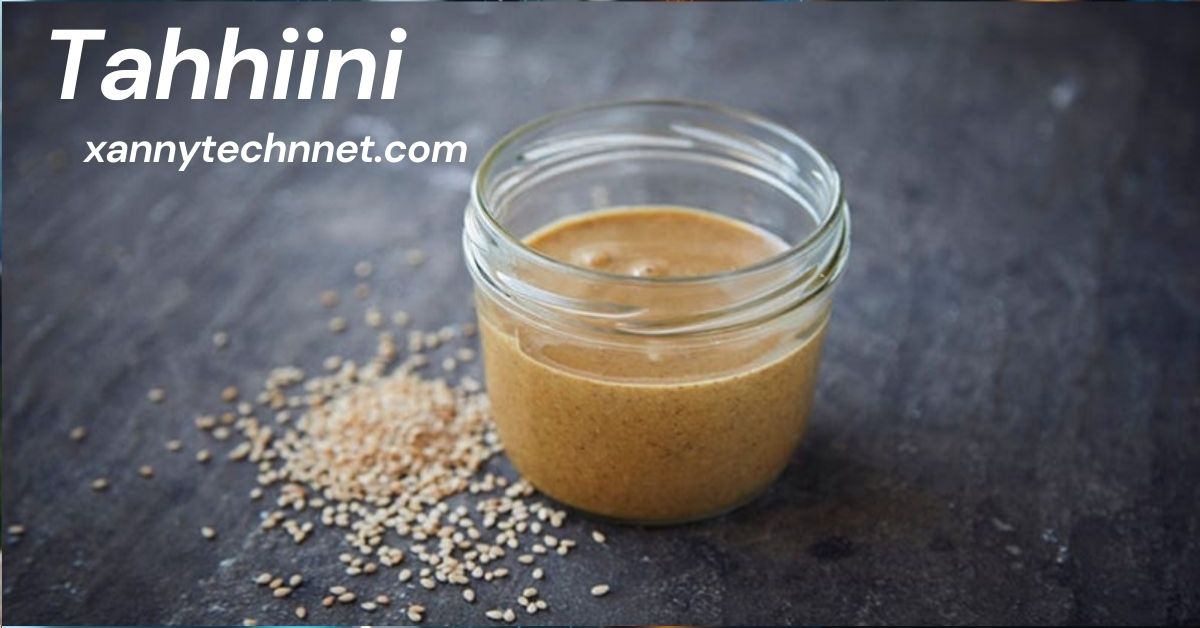
Tahhiini (sometimes spelled as tahini) is a rich, creamy paste made from ground sesame seeds, and it has become a staple in kitchens worldwide due to its versatility and numerous health benefits. Known for its smooth texture and nutty flavor, tahhiini plays a central role in Middle Eastern and Mediterranean cuisines, but its appeal has expanded far beyond these regions. Whether you’re a health-conscious individual looking for nutrient-dense additions to your meals or someone seeking new culinary adventures, tahhiini is an ingredient you should explore.
This comprehensive guide to tahhiini will take you through everything you need to know about this incredible paste: its history, health benefits, uses, and how you can incorporate it into your everyday meals. In addition, we will share insights on the best ways to store tahhiini, its nutritional profile, and address some frequently asked questions.
What is Tahhiini?
Tahhiini is a paste made from ground sesame seeds, and it is often lightly roasted before being blended to achieve its deep, nutty flavor. Sesame seeds have been cultivated for over 4,000 years and are known for their resilience and ability to thrive in diverse climates. The process of making tahhiini involves grinding the seeds into a fine paste, and depending on the brand or recipe, it may also include oil or a bit of salt for added flavor and consistency.
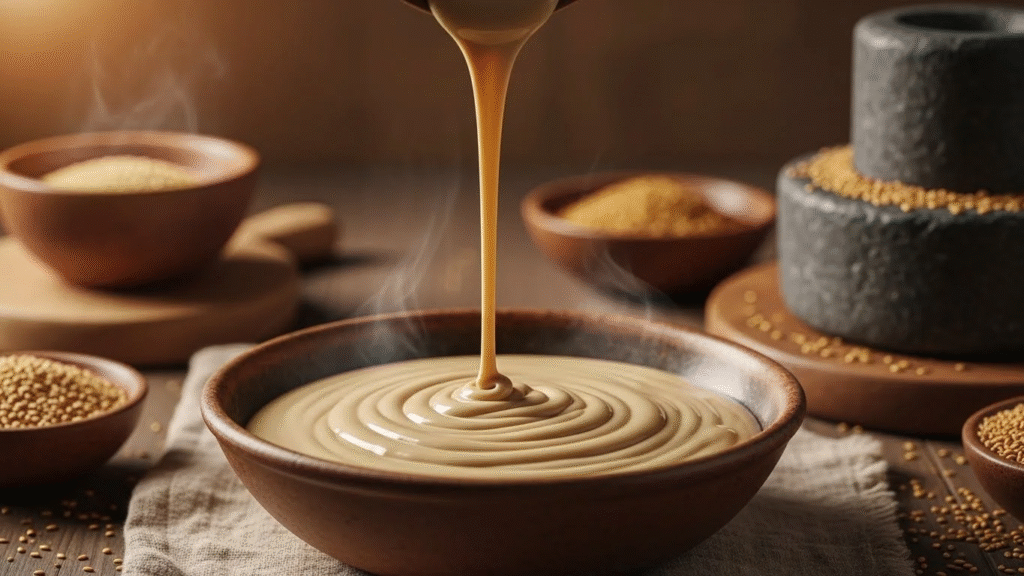
While tahhiini is a key ingredient in Mediterranean, Middle Eastern, and North African dishes like hummus and baba ganoush, its applications in cooking extend far beyond these iconic dishes. With its smooth consistency and rich flavor, tahhiini can be used in a variety of recipes, both savory and sweet.
The History of Tahhiini: A Global Ingredient
Sesame seeds, and by extension tahhiini, have a long history of use. Originating in the ancient cultures of Mesopotamia and the Indian subcontinent, sesame seeds were one of the earliest domesticated crops in the world. Ancient civilizations, including the Sumerians, Egyptians, and Greeks, used sesame oil and seeds in culinary and medicinal applications.
Also Read: TheStoogeLife: Embracing Joy, Absurdity, and Playfulness
Tahhiini itself is thought to have originated in the Middle East, where it was used in various dips, spreads, and sauces. It has since spread to various parts of the world, gaining widespread popularity in Europe, North America, and beyond. Tahhiini is a versatile and essential ingredient, appreciated not only for its deep, roasted flavor but also for its health benefits.
Nutritional Profile of Tahhiini
Tahhiini is packed with healthy fats, making it an excellent addition to any balanced diet. Here’s a breakdown of the key nutritional components of tahhiini per two-tablespoon (about 32 grams) serving:
- Calories: 190-200
- Protein: 5 grams
- Total Fat: 16 grams
- Saturated Fat: 2 grams
- Unsaturated Fat: 14 grams (healthy fats)
- Saturated Fat: 2 grams
- Carbohydrates: 6 grams
- Fiber: 2.5 grams
- Sugar: 0 grams
- Fiber: 2.5 grams
- Vitamins and Minerals:
- Calcium: 10-12% of the recommended daily intake (RDI)
- Iron: 15% of RDI
- Magnesium: 20% of RDI
- Zinc: 10% of RDI
- Vitamin B6: 10% of RDI
- Calcium: 10-12% of the recommended daily intake (RDI)
Given its rich nutritional content, tahhiini is not just a flavorful ingredient but a health-boosting powerhouse, offering an abundance of beneficial vitamins, minerals, and healthy fats.
Health Benefits of Tahhiini
Tahhiini is more than just a delicious addition to meals; it also offers a variety of health benefits. Here are a few of the top benefits:
Also Read: Ninawelshlass1: The Welsh Creator Capturing Nature Through Mobile Photography
1. Supports Heart Health
Tahhiini is a great source of healthy unsaturated fats, including omega-3 and omega-6 fatty acids, which are known to support heart health. These fats help reduce bad cholesterol levels, lower the risk of cardiovascular disease, and promote healthy blood circulation. Sesame seeds, the base of tahhiini, are also rich in lignans, which are antioxidant compounds that may further protect against heart disease.
2. Good for Bone Health
Tahhiini is a fantastic source of calcium, an essential nutrient for maintaining strong bones and preventing osteoporosis. Additionally, the magnesium content in tahhiini contributes to bone health by improving calcium absorption and supporting the proper function of bones and muscles.
3. Boosts Immune Function
Sesame seeds contain several compounds with immune-boosting properties, including zinc, iron, and vitamin B6. These nutrients help maintain a healthy immune system, support wound healing, and promote the production of red blood cells.
4. Supports Healthy Skin
The high levels of antioxidants in tahhiini help protect the skin from free radical damage, reducing the appearance of aging and preventing premature wrinkles. The healthy fats and vitamin E in tahhiini also support skin hydration, leaving your skin smooth and glowing.
5. Promotes Digestive Health
Tahhiini is a great source of fiber, which is important for maintaining healthy digestion and regular bowel movements. The fiber in tahhiini also helps maintain a healthy gut microbiome, which plays a crucial role in overall digestive health.
6. Aids in Weight Management
Due to its healthy fat and fiber content, tahhiini can help increase satiety and reduce hunger. Including it in meals can help control appetite, making it easier to stick to healthy eating patterns and support weight management goals.
How to Use Tahhiini in Your Cooking
Tahhiini is incredibly versatile and can be used in a variety of ways, whether you’re preparing savory or sweet dishes. Here are some ideas to help you get started:
1. Make Hummus
One of the most popular uses for tahhiini is to make hummus. Simply blend tahhiini with cooked chickpeas, lemon juice, garlic, olive oil, and salt for a creamy, flavorful dip.
2. Use it in Salad Dressings
Tahhiini can be used as the base for a creamy, healthy salad dressing. Mix tahhiini with lemon juice, olive oil, garlic, and a pinch of salt for a simple dressing. You can also add water to thin it out and make it pourable.
3. Spread it on Toast
For a quick and nutritious snack, spread tahhiini on whole-grain toast. Add some sliced banana, honey, or cinnamon for extra flavor and health benefits.
4. Use it in Smoothies
Tahhiini can also be added to smoothies for a creamy texture and nutty flavor. Blend it with fruits like bananas or berries, along with some almond milk, for a satisfying and nutrient-packed breakfast.
5. Tahhiini-Sweetened Desserts
Tahhiini is a great ingredient for sweet treats, especially when combined with chocolate. It can be added to brownies, cookies, or even drizzled over a bowl of fruit for a unique twist on traditional desserts.
6. Make Sauces and Dips
Tahhiini can be used as a base for various sauces and dips. For instance, mix tahhiini with soy sauce, garlic, and rice vinegar for an Asian-inspired dipping sauce, or blend it with roasted red peppers for a flavorful spread.
How to Store Tahhiini
Tahhiini should be stored in a cool, dry place, away from direct sunlight. It’s best kept in an airtight container to maintain its freshness. Once opened, it should be refrigerated to extend its shelf life, typically lasting for about 6 months. You may notice that the oil in tahhiini tends to separate over time. This is perfectly normal and can be remedied by stirring the paste before use.
Is Tahhiini Safe for Everyone?
In general, tahhiini is safe for most people, but there are a few considerations:
- Allergies: If you have a sesame seed allergy, you should avoid tahhiini, as it could trigger an allergic reaction.
- Calories: Due to its high-calorie content, it’s important to consume tahhiini in moderation, especially if you’re watching your calorie intake.
Also Read: Ireallyneedafive.com: The Future of Micro-Fundraising
Frequently Asked Questions (FAQs)
1. Can I Substitute Tahhiini for Peanut Butter?
Yes, you can use tahhiini as a substitute for peanut butter in many recipes, especially when you’re looking for a more neutral flavor. It works great in smoothies, salad dressings, and sauces.
2. Is Tahhiini Vegan?
Yes, tahhiini is a plant-based product made from sesame seeds, making it suitable for vegans.
3. Can I Make Tahhiini at Home?
Yes, making tahhiini at home is simple. All you need are sesame seeds and a food processor. Roast the sesame seeds lightly, then blend them with a small amount of oil until smooth.
4. What Does Tahhiini Taste Like?
Tahhiini has a rich, nutty, and slightly bitter flavor. When made from toasted sesame seeds, it offers a deeper, more roasted taste.
5. Is Tahhiini Gluten-Free?
Yes, tahhiini is naturally gluten-free, making it a safe option for those with gluten sensitivity or celiac disease.
Conclusion: Why You Should Incorporate Tahhiini into Your Diet
Tahhiini is a versatile and nutritious ingredient that offers a wide range of health benefits, from promoting heart health to supporting healthy skin. Whether you’re adding it to a savory dish or using it to create a creamy dessert, tahhiini’s rich flavor and smooth texture can elevate any recipe. By including this nutrient-dense paste in your diet, you’ll not only enjoy its delicious taste but also boost your overall health. Try it today and discover the many ways tahhiini can enhance your meals!