


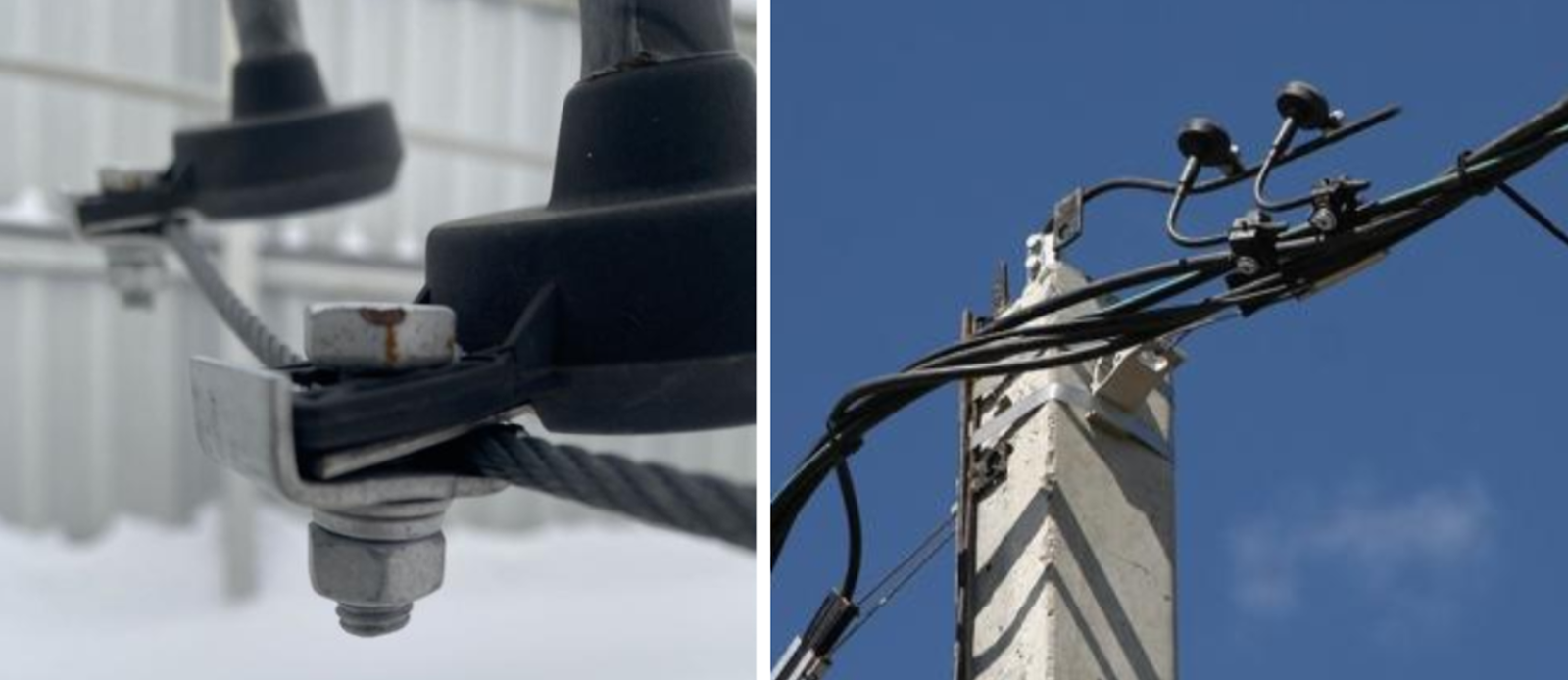
A surge arrester is a device of electrical protection against transient and lightning overvoltages, switching surges, and fluctuations in electrical power of the low voltages. Due to the increasing sensitivity of low-voltage electrical networks to digital automation, smart electronics, and energy-efficient devices, there is a high need for reliable surge suppression. The LVA-280B-BS surge arrester is built to provide the levels of protection required, reliably and effectively.
Features of the LVA-280B-BS Surge Arrester
- Eliminates the need for a voltage grading system across the low voltage network, simplifies installation, and improves insulation coordination.
- Offers over- and under-voltage protection to the electrical equipment by making sure all the equipment runs in a stable range, just as in their electrical equipment’s power ratings.
- Improves the life cycle of any electric loads in the network by absorbing spikes to occurrences like lightning strikes, industrial switching surges, and unexpected disturbances in the large grid.
- Reduces the maintenance process and frequency of examination of the electric network system by minimizing the costs of operation and offering long-term stability.
- Uses advanced metal-oxide (MOV) technology to deliver high protection for electrical networks and sensitive equipment against high-voltage surges, while providing high levels of safety and reliability.
How the LVA-280B-BS Surge Arrester Works
When voltage is at normal operating levels, the LVA-280B-BS is in a passive state to provide minimal leakage current. When a surge occurs from lightning or an internal switching spike, the MOV quickly changes to a low resistance state, diverting excess energy in a safe manner from the line to ground. When surges have passed, the MOV then reverts to a high resistance state, thus preserving normal voltage when there are fault surges. If an excessive build-up of heat occurs internally, the thermal disconnect will separate the arrester automatically, inhibiting fire or hazardous failure. The operation guarantees reliable protection throughout the life of the device.
Applications of the LVA-280B-BS Surge Arrester
Industrial Environments
The arrester secures PLCs, motors, variable-frequency drives (VFDs), and automation lines, as well as control systems. Switching surges are a commonly added requirement in the process of protecting industrial processes.
Commercial Buildings
In elevators, HVAC systems, lighting systems, server rooms, and building management systems. Commercial environments depend on stable voltage for safety and operation.
Utility and Power Distribution Networks
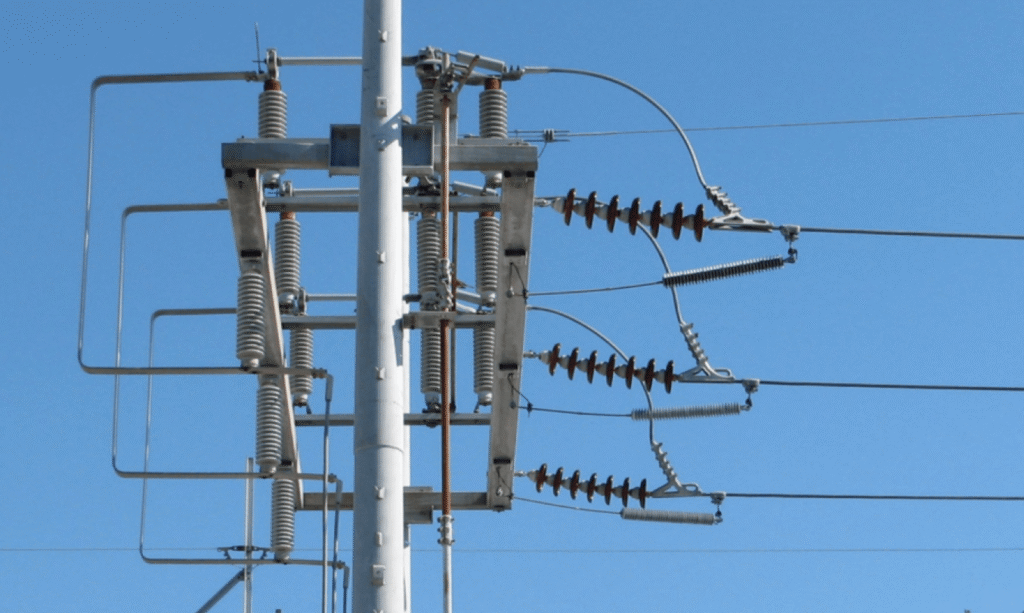
The arrester covers transformers, low voltage switchgear, substations, and feeder systems. The utilities receive fewer outages and better coordination of insulation.
Residential Installations
It protects against damage to electronics, security systems, solar inverters, and smart home technology. The value of the arrester to homes in lightning zones is very high.
Telecommunications and IT
The arrester minimises downtimes and protects the telecom towers, cabinets, and network equipment against bursts to uphold the stability of communication.
Infrastructure Projects-Transportation
Railway construction, airports, and road lighting, road signaling regulation, etc., require a constant voltage. The surge arrester enables these projects to continue running.
Advantages of the LVA-280B-BS Surge Arrester
Long Service Life
High-quality MOV blocks with thermal safety systems provide longevity for the device.
Strong Energy Absorption
The arrester absorbs surge cycles effectively over time.
Easy Installation and Maintenance
The modularity, size, and fault indicator reduce the time and complexity of the installation process.
Enhanced Safety Features
The high level of protection is offered by thermal disconnection, fire-resistant housing, and indicators of operation.
Reliable Operation in Harsh Environments
With IP-rated sealing and hardy insulation, the arrester will continue to function in rain, dust, humidity, pollution, and vibration.
Accessories for the LVA-280B-BS Surge Arrester
Mounting Brackets and Clamps
These accessories support a secure installation on panels, walls, or rail systems.
Grounding Kits
Includes wires, lugs, and clamps to create a valid earthing pathway.
Replaceable MOV Modules
Some versions allow for the internal MOV module to be replaced without removing the entire device.
Status Monitoring Modules
Optional electronic status indicators provide alarm notification for status at a remote location.
Protective Outdoor Enclosures
Used in locations that are exposed to rain or harsh environments.
Cable Termination Accessories
Ferrules, connectors, and insulated holders ensure a safe wired environment.
Maintenance Requirements and Inspection Checklist
1. Visual Indicator Checks
The LVA-280B-BS surge arrester has a Mechanical or Color-Coded status indicator to signal whether the device is in normal operation or has experienced a fault condition. The technician must regularly check this indicator to quickly determine if the arrester is still active, or has safely failed to protect due to an internal failure of a component, or excessive stress. If the indicator displays a fault, the arrester must be replaced to maintain protection.
2. Thermal Disconnect Inspection
The arrester has a thermal disconnect, which separates the MOV (Metal Oxide Varistors) in case of overheating or if the device is at the end of its life. During repair, maintenance technicians note whether or not the thermal disconnect has been opened or exhibits any possible evidence of thermal damage. This practice helps confirm that the arrester is not going to work at a degraded state and that the internal safety has not been compromised.
3. Tightening of Grounding Connections
To ensure the safe diversion of the surge energy to the equipment, you have to establish a strong connection to ground as well as with the surge arrester. With time, the grounding screw or lugs, or clamp could be loosened under vibrations, change of temperature, or wear. This can be tightly wound to grounding connections, thus leaving less capacity to release a surge.
4. Periodic Testing for Residual Voltage Performance
The voltage that is left after the surge-suppressing activity of the surge arrester is called the residual voltage (also called the level of protection or let-through voltage). Regular testing is assurance that the surge arrester continues to restrain the voltage that is suppressed to the appropriate protection value that it is rated to. If the residual voltage becomes higher than normal, it may indicate:
- MOV aging
- weakened insulation
- Reduced surge absorption capability
5. Replacement Schedule for MOV Modules
MOV blocks can wear out over time with repeated exposure to surges. Certain LVA-280B-BS models feature replaceable MOV blocks, meaning the whole arrestor doesn’t have to be replaced, just the MOV block that wore out.
Scheduled intervals of replacement (which can be based on surge events, operating environment, or the manufacturer’s replacement schedule) guarantee continued dependable protection. Regularly scheduled replacement programs help prevent unexpected arrestor failure and help maintain the electrical system’s integrity.
Conclusion
The LVA-280B-BS surge arrester is a reliable protection device designed for low-voltage installations to protect against transient overvoltages and surge-related threats. Its new MOV technology, high surge-current carrying capability, thermal protection, and physical construction offer long-life performance in the industrial, commercial, utility, house, and renewable energy sectors.