


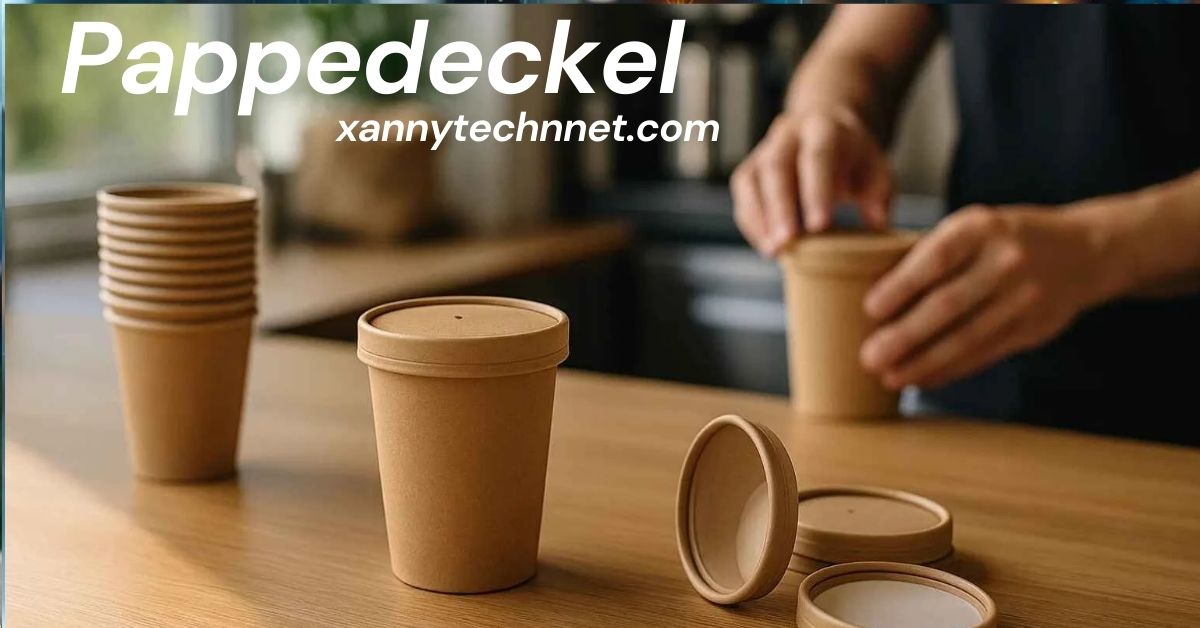
Pappedeckel is becoming one of the most important materials in modern packaging and product design. As businesses and consumers in the United States look for eco-friendly, cost-effective, and practical alternatives to plastic and other non-renewable materials, pappedeckel is stepping into the spotlight.
This article is written to give you a deep, easy-to-understand, and professional overview of pappedeckel. It goes beyond surface-level definitions and explores real-world uses, sustainability benefits, manufacturing processes, lifestyle impact, and future trends. The goal is to provide clear value, build trust, and offer expert-level insights while keeping the language simple and readable.
If you are a business owner, packaging professional, student, or eco-conscious consumer, this guide will help you understand why pappedeckel matters and how it is shaping a greener future.
What Is Pappedeckel?
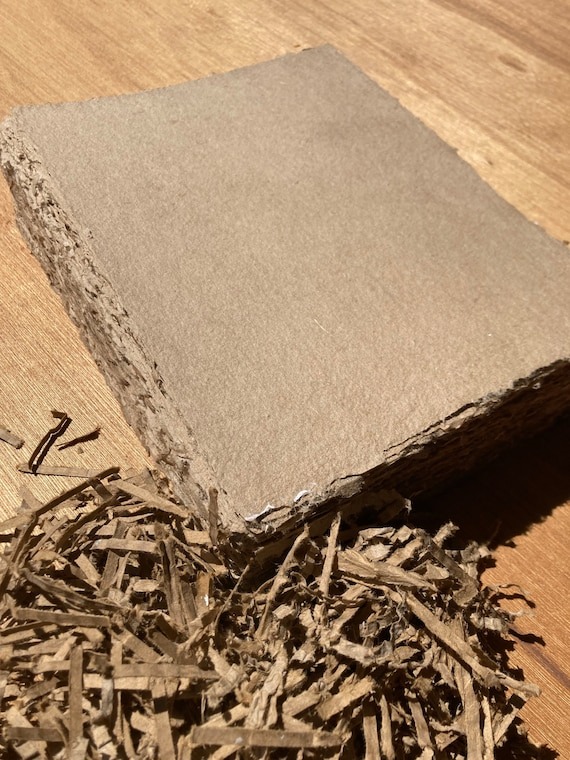
Pappedeckel is a thick, rigid form of paperboard made primarily from recycled paper fibers. In simple terms, it is a strong cardboard-like material designed to provide durability, structure, and protection while remaining environmentally friendly.
Unlike thin paper or flexible cardboard, pappedeckel is pressed and layered to create a dense and stable board. This makes it suitable for packaging, book covers, industrial uses, and creative applications where strength and sustainability are equally important.
In the U.S. market, pappedeckel is often categorized under paperboard or chipboard, but the term pappedeckel is increasingly used in global supply chains to describe premium recycled board solutions.
Why Pappedeckel Is Gaining Popularity in the United States
The growing demand for pappedeckel is not accidental. Several social, economic, and environmental factors are driving its adoption across industries.
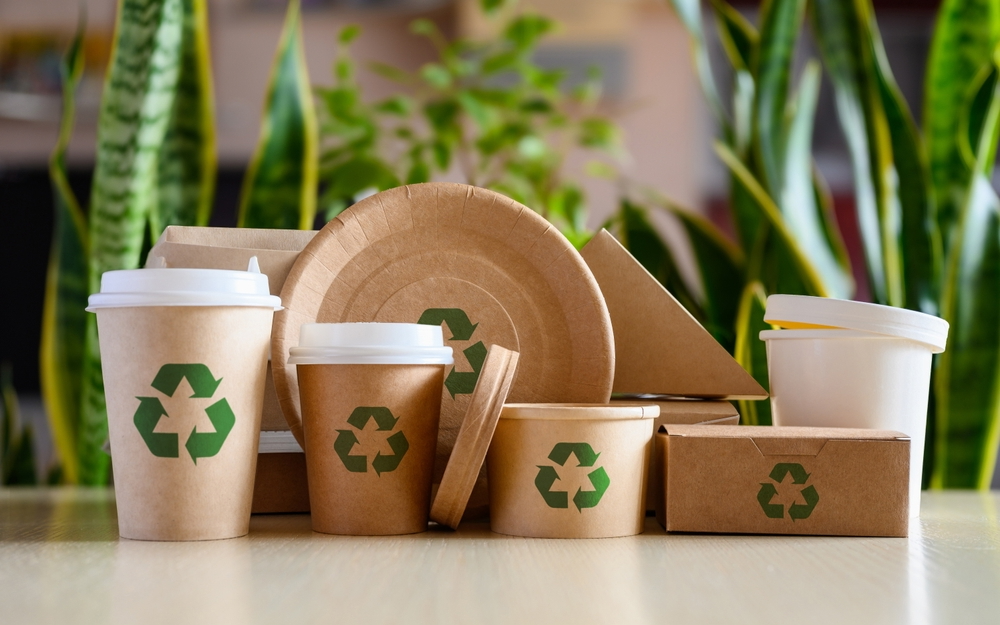
First, sustainability expectations are higher than ever. American consumers are actively choosing brands that reduce waste and carbon emissions. Pappedeckel fits perfectly into this shift because it is recyclable, biodegradable, and often made from post-consumer waste.
Second, regulations around packaging waste are becoming stricter. Companies are moving away from plastic and mixed-material packaging that is hard to recycle. Pappedeckel offers a simple, compliant solution.
Third, modern pappedeckel products are no longer plain or unattractive. Advances in design, printing, and finishing have turned this material into a premium option that supports branding and customer experience.
How Pappedeckel Is Manufactured
Understanding how pappedeckel is made helps explain why it is both strong and sustainable.
The manufacturing process begins with the collection of recycled paper. This paper is cleaned, shredded, and mixed with water to form a pulp. Any contaminants are removed to ensure quality and consistency.
The pulp is then spread into layers and pressed under high pressure. This step removes excess water and binds the fibers together tightly. The board is dried and compressed to achieve the desired thickness and rigidity.
Finally, the pappedeckel sheets are cut, finished, and prepared for further processing such as printing, laminating, or die-cutting.
This process uses significantly less energy than plastic production and supports circular economy principles by reusing existing materials.
Key Characteristics of Pappedeckel
Pappedeckel stands out because of a unique combination of properties that make it suitable for many uses.
It is rigid and durable, allowing it to protect products during transport and storage.
It has excellent printability, making it ideal for branding and visual design.
It is lightweight compared to many alternative materials, reducing shipping costs and emissions.
It is recyclable and biodegradable, aligning with environmental goals.
It can be customized in thickness, density, and finish to match specific requirements.
These characteristics make pappedeckel a flexible solution for both practical and creative applications.
Common Uses of Pappedeckel in Everyday Life
Many people interact with pappedeckel daily without realizing it. It is used in a wide range of products and industries.
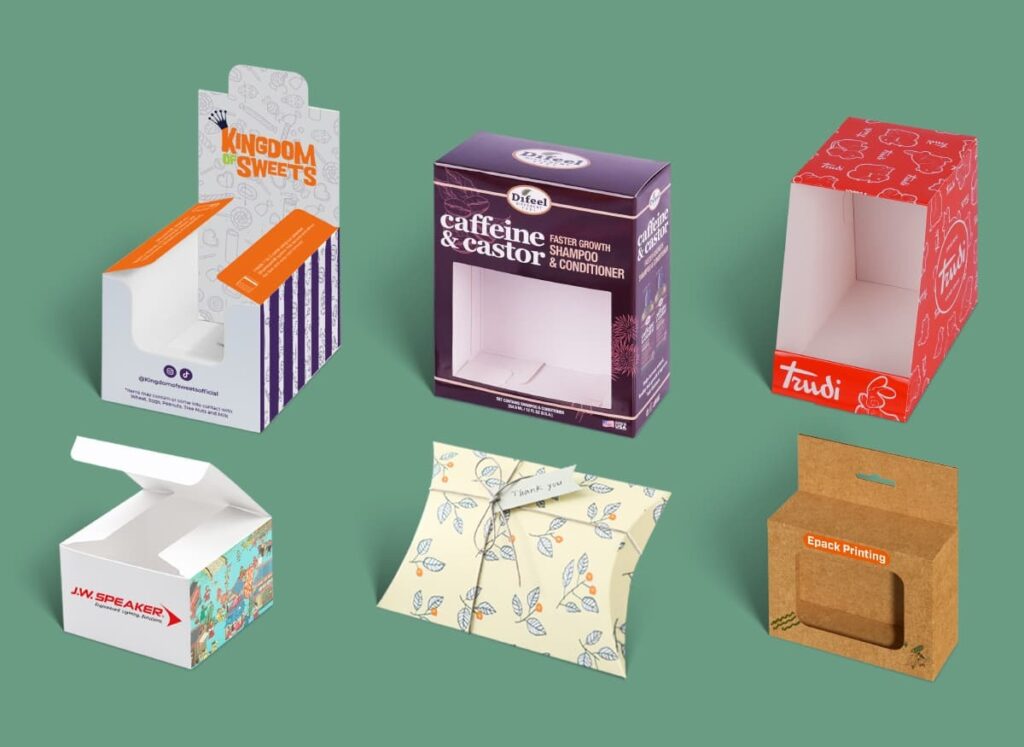
In packaging, pappedeckel is commonly found in rigid boxes for electronics, cosmetics, food items, and luxury goods.
Also Read: Levapioli: A Complete Guide To This Healthy, Protein‑Rich Dish
In publishing, it is used for book covers, binders, notebooks, and folders.
In retail, it supports point-of-sale displays, signage, and product stands.
In crafts and education, it is used for models, art projects, and teaching tools.
In industry, pappedeckel is used as protective layering, separators, and backing boards.
This versatility shows how deeply pappedeckel is integrated into modern lifestyles.
Pappedeckel and Sustainable Packaging
Sustainability is one of the strongest reasons behind the rise of pappedeckel. Compared to plastic or composite materials, pappedeckel offers clear environmental advantages.
It is often made from recycled materials, reducing the demand for virgin resources.
It is easy to recycle again after use, supporting closed-loop systems.
It breaks down naturally over time without releasing harmful microplastics.
It has a lower carbon footprint when produced responsibly.
For U.S. brands focused on environmental, social, and governance goals, pappedeckel is a practical step toward greener packaging strategies.
How Pappedeckel Enhances Modern Lifestyles
Pappedeckel is not just about packaging. It plays a role in shaping how people experience products and interact with brands.
High-quality pappedeckel packaging creates a sense of trust and professionalism. When a customer opens a sturdy, well-designed box, it communicates care, quality, and responsibility.
Minimalist packaging trends also benefit from pappedeckel. Its natural look and texture fit well with modern design preferences that value simplicity and authenticity.
For eco-conscious consumers, choosing products packaged in pappedeckel aligns with personal values and lifestyle choices.
Pappedeckel vs Plastic Packaging
When comparing pappedeckel to plastic, several important differences stand out.
Plastic is durable and moisture-resistant but often difficult to recycle and harmful to the environment.
Pappedeckel is recyclable and biodegradable but may require coatings or treatments for moisture resistance.
Plastic production relies on fossil fuels, while pappedeckel uses renewable or recycled resources.
Consumers increasingly prefer paper-based solutions like pappedeckel because they feel more responsible and transparent.
For many applications, pappedeckel provides the best balance between performance and sustainability.
Cost Considerations and Business Value
From a business perspective, pappedeckel offers strong value.
Material costs are often competitive, especially when sourced locally or from recycled streams.
Shipping costs can be lower due to reduced weight.
Brand value increases as customers recognize sustainable packaging choices.
Compliance costs decrease as regulations favor recyclable materials.
While premium finishes can increase costs, the overall return on investment is often positive due to customer loyalty and brand reputation.
Design and Customization Possibilities
Modern pappedeckel is highly customizable. This allows brands to create packaging that is both functional and visually appealing.
Design options include different thickness levels, textures, and surface treatments.
Printing techniques support high-quality graphics, logos, and messaging.
Die-cutting enables creative shapes and structural designs.
Embossing and debossing add a tactile, premium feel.
These options make pappedeckel suitable for both mass-market and luxury products.
Challenges and Limitations of Pappedeckel
Despite its advantages, pappedeckel is not perfect.
It can be sensitive to moisture unless treated or coated.
It may not be suitable for very heavy or high-impact applications without reinforcement.
Quality can vary depending on recycled content and manufacturing standards.
However, ongoing innovation is addressing many of these limitations through improved coatings, hybrid designs, and better quality control.
Innovations and Future Trends in Pappedeckel
The future of pappedeckel looks promising. Innovation is focused on improving performance while maintaining sustainability.
Water-based coatings are being developed to improve moisture resistance without harming recyclability.
Smart packaging features such as QR codes and printed electronics are being integrated into pappedeckel surfaces.
Lightweighting techniques reduce material use while maintaining strength.
Circular economy models are encouraging take-back and reuse systems.
As technology advances, pappedeckel will continue to evolve beyond traditional packaging.
Pappedeckel in a Circular Economy
Pappedeckel plays a key role in circular economy systems. Its ability to be recycled multiple times supports waste reduction and resource efficiency.
Used pappedeckel can be collected, processed, and turned into new boards or paper products.
This reduces landfill waste and lowers demand for raw materials.
Businesses that use pappedeckel can clearly communicate their commitment to circular practices.
In the U.S., this aligns with growing consumer awareness and sustainability reporting standards.
Also Read: Gastroshiza: A Comprehensive, Easy-to-Read Guide for Patients, Families, and Caregivers
How Consumers Can Identify Quality Pappedeckel Products
Not all pappedeckel is the same. Consumers can look for signs of quality and responsibility.
Check for recycling symbols and sustainability certifications.
Look for sturdy construction and clean edges.
Notice print quality and surface finish.
Pay attention to brand transparency about materials.
These small details help consumers make informed choices.
How Businesses Can Successfully Adopt Pappedeckel
For businesses considering pappedeckel, a strategic approach works best.
Start by evaluating product needs and packaging requirements.
Work with experienced suppliers who understand quality standards.
Test prototypes to ensure performance and customer satisfaction.
Communicate the sustainability story clearly to customers.
This approach ensures a smooth transition and long-term benefits.
Environmental Impact Compared to Other Paper Materials
Compared to thin cardboard or mixed paper materials, pappedeckel offers greater durability, which can reduce overall material usage.
Because it protects products better, it lowers the risk of damage and waste.
Its recyclability remains high when designed correctly.
This balance of strength and sustainability makes pappedeckel a smart choice in many scenarios.
Global Influence and Market Growth
While this article focuses on the U.S. audience, pappedeckel is part of a global movement toward sustainable materials.
International brands and suppliers are investing in recycled board technologies.
Global standards are improving consistency and quality.
This global momentum ensures continued innovation and availability.
The Role of Pappedeckel in Brand Trust and EAT Principles
Pappedeckel supports experience, authority, and trust by demonstrating responsible material choices.
Brands using pappedeckel show practical experience with sustainable solutions.
Transparent sourcing and recycling information build authority.
Eco-friendly packaging builds trust with consumers who value honesty and responsibility.
These factors directly support strong online presence and long-term brand credibility.
Final Thoughts on Pappedeckel
Pappedeckel is more than a packaging material. It represents a shift toward smarter, greener, and more responsible design choices.
Its strength, versatility, and sustainability make it suitable for a wide range of applications.
As innovation continues, pappedeckel will play an even bigger role in shaping modern lifestyles and business practices.
For consumers and companies alike, understanding and embracing pappedeckel is a step toward a more sustainable future.
Frequently Asked Questions About Pappedeckel
Is pappedeckel safe for food packaging?
Yes, pappedeckel can be safe for food packaging when produced and coated according to food-grade standards. Many manufacturers offer certified options suitable for dry and certain fresh foods.
Can pappedeckel be reused before recycling?
Yes, pappedeckel is durable enough to be reused multiple times, especially in storage, shipping, or organizational applications.
Does pappedeckel require special recycling processes?
In most cases, pappedeckel can be recycled through standard paper recycling systems, as long as it does not contain heavy plastic coatings.
How does pappedeckel perform in humid environments?
Standard pappedeckel can absorb moisture, but treated or coated versions perform well in moderately humid conditions.
Is pappedeckel suitable for luxury packaging?
Yes, high-quality pappedeckel with premium finishes is widely used in luxury packaging for cosmetics, electronics, and specialty goods.
Can small businesses afford pappedeckel packaging?
Yes, pappedeckel is available at various price points, and many suppliers offer scalable solutions for small and medium-sized businesses.
What makes pappedeckel different from regular cardboard?
Pappedeckel is thicker, denser, and more rigid than regular cardboard, providing better structure and durability.
Will pappedeckel continue to grow in popularity?
Yes, rising sustainability demands, innovation, and regulatory support strongly suggest continued growth in pappedeckel adoption.
By understanding pappedeckel and its role in modern packaging and lifestyle solutions, individuals and businesses can make informed choices that benefit both the planet and future generations.