



In recent years, plant-based diets have surged in popularity as more people make a conscious effort to embrace a healthier lifestyle. Among the various plant-based solutions available, Insoya has emerged as a leading player. Powered by soy, Insoya offers an innovative, nutritious, and sustainable alternative for those seeking to make better choices for their health and the environment. This article dives deep into Insoya, its benefits, its nutritional profile, and its contributions to wellness and sustainability.
What is Insoya?
Insoya is a modern plant-based product derived primarily from soybeans, offering a range of nutritional benefits while contributing to a more sustainable and environmentally-friendly way of living. It is designed for people looking for healthier, natural food alternatives that align with plant-based diets, which are often rich in fiber, vitamins, and minerals.
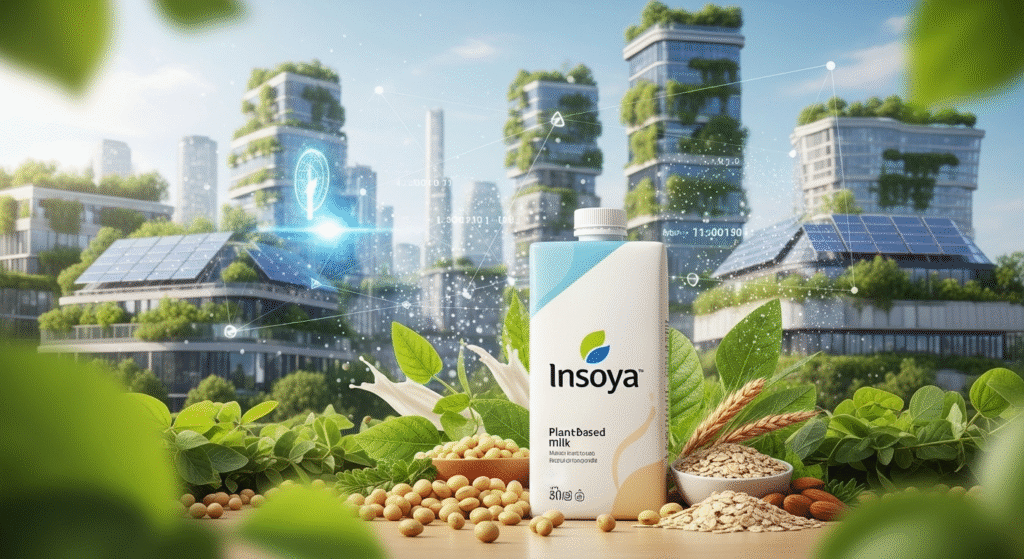
The Nutritional Benefits of Insoya
One of the most significant benefits of Insoya lies in its nutritional profile. Soy is rich in high-quality plant-based protein, essential for muscle building and repair. Here’s a closer look at the key nutrients Insoya provides:
Also Read: CricFooty: The Ultimate Live Sports Streaming App
- Protein: Soy protein is considered a complete protein because it contains all nine essential amino acids that the body cannot produce on its own. Insoya offers a substantial amount of protein that supports muscle health, tissue repair, and overall body function.
- Vitamins: Insoya contains several vitamins that promote well-being, including Vitamin B, which is essential for energy production and overall nervous system health.
- Minerals: Insoya is rich in minerals such as iron, calcium, and magnesium, all of which support bone health, cardiovascular function, and general body maintenance.
- Fiber: The high fiber content in Insoya helps maintain digestive health and regulate blood sugar levels, promoting a feeling of fullness and aiding in weight management.
- Antioxidants: Rich in isoflavones, Insoya may help fight inflammation and oxidative stress, supporting cellular health and overall longevity.
How Insoya Supports Wellness
Insoya is not just about filling nutritional gaps; it’s also about improving overall wellness. It helps in various ways:
- Weight Management: Since Insoya is rich in fiber and protein, it helps control hunger, manage appetite, and contribute to a feeling of fullness, which can be beneficial for those aiming to lose or maintain weight.
- Heart Health: The inclusion of soy protein has been shown to lower cholesterol levels, which contributes to heart health. Regular consumption of soy products like Insoya can help reduce the risk of heart disease.
- Hormonal Balance: The isoflavones in soy mimic estrogen in the body, which can have beneficial effects for people experiencing menopause symptoms, including hot flashes and mood swings. It can also contribute to bone health in postmenopausal women by promoting bone density.
- Muscle Building and Recovery: As a complete protein, Insoya is an excellent option for athletes and active individuals who need to build muscle, repair tissue, and recover from physical activity.
- Digestive Health: The fiber content in Insoya aids digestion by promoting regular bowel movements and maintaining gut health. Fiber also acts as a prebiotic, supporting the growth of healthy gut bacteria.
The Role of Insoya in Sustainability
In addition to being a health-conscious food choice, Insoya plays a crucial role in sustainability. The global shift toward plant-based eating is largely driven by the environmental benefits associated with plant-based diets. Here’s why Insoya stands out as a sustainable food source:
Also Read: Protocolo Operacional Padrão – Everything You Need to Know
- Lower Carbon Footprint: The production of soy-based products like Insoya typically generates fewer greenhouse gases compared to animal-based products. This makes Insoya a more eco-friendly option for those concerned about climate change.
- Water Conservation: Producing plant-based foods generally requires less water compared to animal agriculture. Growing soybeans for Insoya involves fewer water resources, contributing to better water conservation practices.
- Less Land Use: Producing plant-based alternatives requires less land than raising livestock, which helps prevent deforestation and preserves natural habitats.
- Sustainable Farming: Insoya’s use of soy as its primary ingredient promotes sustainable farming practices. Soy is a crop that can enrich the soil by fixing nitrogen, reducing the need for synthetic fertilizers, and supporting biodiversity.
How to Incorporate Insoya Into Your Diet
Insoya can be used in various ways to improve your daily nutrition. It’s a versatile ingredient that can be enjoyed in many forms. Here are some ideas:
- Smoothies: Blend Insoya with fruits, vegetables, and plant-based milk for a protein-packed, nutrient-dense smoothie.
- Salads: Add Insoya-based products like tofu or soy milk to salads to boost protein and nutrition.
- Stir-Fries: Incorporate Insoya into stir-fries for a delicious, plant-based protein source.
- Baked Goods: Use Insoya-based flour in baking for a healthier alternative to regular flour.
- Snacks: Soy-based snacks, such as soy nuts, can be an excellent addition to your snack list.
Potential Side Effects and Considerations
While Insoya offers many benefits, it’s essential to be mindful of a few considerations:
- Allergies: Soy allergies are relatively common, and individuals allergic to soy should avoid consuming Insoya.
- Phytoestrogens: Soy contains phytoestrogens, which mimic estrogen in the body. While generally safe, some individuals may want to monitor their intake, especially if they have hormone-sensitive conditions.
- Goitrogens: Soy can be a goitrogenic food, meaning it can interfere with thyroid function in people with iodine deficiency. However, for most people, moderate consumption of soy products like Insoya is safe and beneficial.
The Future of Insoya and Plant-Based Nutrition
As more people adopt plant-based diets, the demand for innovative, nutritious, and sustainable alternatives like Insoya will likely continue to grow. Insoya’s ability to combine nutrition, wellness, and sustainability positions it as a key player in the plant-based food industry. As technology advances, it’s also likely that new, even more sustainable methods for producing soy and other plant-based ingredients will further enhance the benefits of products like Insoya.
Also Read: Aurö: A Mindful Design Philosophy Shaping AI, Branding, and Wellness Tech
FAQs About Insoya
Is Insoya safe for people with soy allergies?
No, individuals with soy allergies should avoid consuming Insoya, as it is derived from soybeans.
Can Insoya help with weight loss?
Yes, Insoya’s high protein and fiber content can help you feel full and satisfied, which may aid in weight loss efforts when incorporated into a balanced diet.
How does Insoya contribute to sustainability?
Insoya is an eco-friendly choice, requiring less water and land than animal products. It also has a lower carbon footprint, making it a more sustainable option.
Is Insoya suitable for people with lactose intolerance?
Yes, Insoya is dairy-free, making it an excellent option for those with lactose intolerance or those following a vegan diet.
Can Insoya be part of a muscle-building diet?
Absolutely! Insoya is a complete plant-based protein source, making it ideal for muscle repair and growth.
Conclusion
Insoya is more than just a plant-based alternative; it’s a holistic solution that promotes health, wellness, and sustainability. With its rich nutritional profile, positive impact on health, and eco-friendly properties, Insoya offers a compelling choice for individuals looking to enhance their lifestyles while contributing to a more sustainable planet. As demand for plant-based solutions increases, Insoya stands as a shining example of how modern food innovations can nourish both individuals and the planet.