


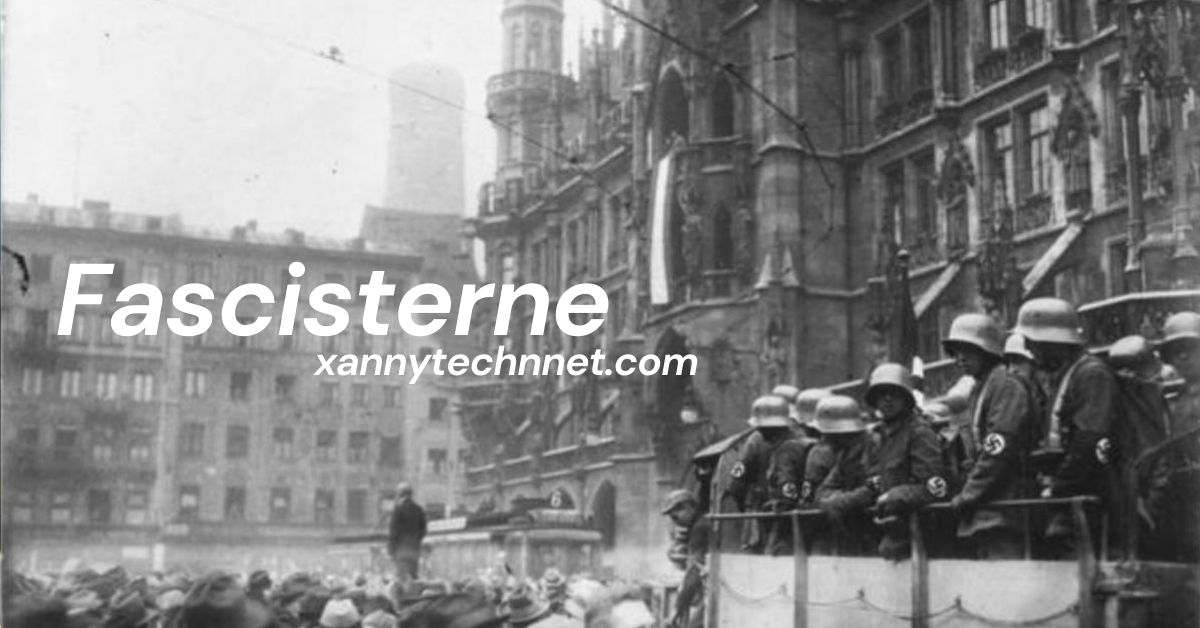
The term fascisterne refers to followers or supporters of fascism, a political ideology that rose to prominence in Europe during the early twentieth century. Fascism is widely known for its strong authoritarian leadership, extreme nationalism, and strict control of society. Fascisterne played a major role in shaping political events in Europe, especially between World War I and World War II.
Understanding fascisterne is important because their actions influenced global politics, society, and human rights for decades. The ideology behind fascisterne promoted a powerful state, suppressed political opposition, and often used propaganda and violence to maintain control.
Although fascism reached its peak in the early 20th century, discussions about fascisterne still appear in modern political debates. Scholars, historians, and political analysts study fascisterne to understand how authoritarian movements rise and how democratic societies can prevent similar ideologies from returning.
This article explores fascisterne in depth, including their historical origins, core beliefs, political structures, impact on society, and lessons that modern societies can learn.
The Meaning and Origin of Fascisterne
The word fascisterne originates from the broader concept of fascism. Fascism itself comes from the Italian word “fascio,” meaning a bundle or group. In ancient Rome, a bundle of rods tied around an axe symbolized authority and power. This symbol later became associated with fascist movements.
Fascisterne refers to individuals who support or follow fascist ideology. These supporters often believe in a strong national identity, centralized leadership, and a political system where the state has significant power over society.
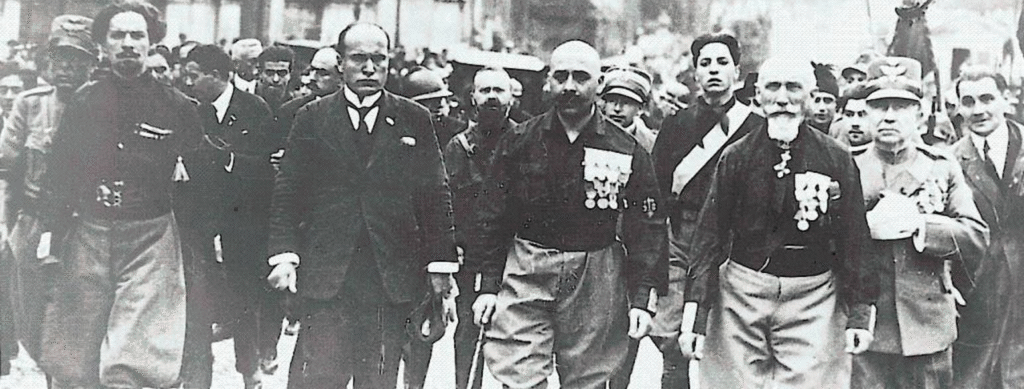
The ideology gained momentum after World War I when many European countries faced economic instability, political uncertainty, and social unrest. In this environment, fascisterne promoted a vision of national revival and strong leadership.
Historical Background of Fascisterne
Europe After World War I
After World War I ended in 1918, many countries in Europe experienced economic hardship, political instability, and social frustration. Inflation, unemployment, and weakened governments created an environment where radical political movements could grow.
Many people felt that traditional democratic systems were failing. Fascisterne promised order, stability, and national pride. These promises attracted supporters who believed that a strong leader and a powerful state could restore national strength.
Rise of Fascist Movements
Fascisterne first gained political power in Italy during the early 1920s. The movement was led by Benito Mussolini, who established the first fascist government. Soon, similar movements appeared in other European countries.
In Germany, Adolf Hitler and the Nazi Party developed a related form of fascism that combined ultra-nationalism with racial ideology. Although Nazism had unique elements, it shared many core principles with fascist ideology.
Across Europe, fascisterne movements began influencing politics in countries such as Spain, Hungary, and Romania.
Also Read: Animeidhen: A Comprehensive Guide
Core Beliefs of Fascisterne
Extreme Nationalism
One of the most important beliefs of fascisterne is extreme nationalism. They believed that the nation was the most important unit of society. Individual rights were considered less important than the strength and unity of the nation.
Fascisterne often promoted the idea that their nation was superior to others. This belief sometimes led to aggressive expansionist policies and conflicts with neighboring countries.
Authoritarian Leadership
Fascisterne strongly supported authoritarian leadership. In fascist systems, a single leader holds significant power and makes major decisions for the country.
This leader is often portrayed as a national savior who represents the will of the people. Citizens are expected to show loyalty and obedience to the leader and the state.
Suppression of Political Opposition
Another key element of fascisterne ideology is the suppression of dissent. Political opposition, criticism of the government, and independent political movements are often banned or heavily restricted.
Fascist governments historically controlled media, education, and public communication to prevent opposition from spreading.
Militarism and Expansion
Fascisterne often supported strong military forces and believed that national strength could be demonstrated through military power. Militarism was seen as a way to build unity, discipline, and national pride.
In many cases, fascist governments pursued territorial expansion to increase national power and influence.
Control of Society and Economy
Although fascism allowed private businesses to exist, the state maintained significant control over economic activity. Governments often directed industries, labor organizations, and economic planning to support national goals.
Fascisterne believed that cooperation between the state, businesses, and workers could strengthen the nation.
Political Structure Under Fascisterne
Centralized Government
In a fascist system, power is concentrated in a central authority. The government has control over major institutions including the military, media, and education.
Local governments and independent institutions often lose their authority as power shifts to the central leadership.
One Party Rule
Fascisterne typically support a one-party political system. Other political parties are banned or forced to dissolve.
This system removes political competition and ensures that the ruling party maintains complete control over the government.
Propaganda and Mass Communication
Propaganda played a major role in fascist regimes. Governments used newspapers, radio, posters, and public speeches to promote national unity and loyalty to the leader.
Fascisterne believed that controlling information helped strengthen the state and prevent opposition movements.
Fascisterne and Society
Influence on Culture
Fascist governments often attempted to shape cultural life. Art, literature, films, and education were encouraged to promote national pride and loyalty to the state.
Cultural expressions that criticized the government or promoted alternative ideas were often censored.
Youth Organizations
Many fascist regimes created youth organizations designed to train young people in discipline, loyalty, and national pride.
These organizations were intended to ensure that future generations would continue supporting fascist ideology.
Role of Women
Fascisterne often promoted traditional gender roles. Women were encouraged to focus on family life, motherhood, and raising children who would serve the nation.
In many cases, governments discouraged women from pursuing careers or political roles.
Impact of Fascisterne on Global History
Role in World War II
Fascisterne played a major role in the events leading to World War II. Expansionist policies and aggressive nationalism contributed to rising tensions between nations.
Fascist governments in Europe formed alliances and pursued military campaigns that eventually led to global conflict.
World War II resulted in massive destruction, millions of deaths, and significant changes to global politics.
Human Rights Violations
Fascist regimes were responsible for widespread human rights violations. Political opponents were often imprisoned, exiled, or executed.
Also Read: Asbestlint: A Complete, Updated, and In-Depth Guide for Awareness, Safety, and Modern Understanding
Many fascist governments targeted minority groups and suppressed civil liberties. These actions caused long-lasting trauma in affected societies.
Collapse of Fascist Regimes
By the end of World War II, most fascist governments had collapsed. Military defeat, internal resistance, and international pressure contributed to their downfall.
After the war, many countries rebuilt their political systems based on democratic principles and human rights protections.
Fascisterne in Academic and Political Discussion
Historical Research
Historians and political scientists continue to study fascisterne to understand how authoritarian movements gain support. Research focuses on economic conditions, social unrest, propaganda, and leadership strategies.
Understanding these factors helps scholars identify warning signs of similar movements.
Modern Political Debates
In modern political discussions, the term fascisterne is sometimes used to criticize political movements or leaders perceived as authoritarian.
However, scholars emphasize the importance of using the term carefully and accurately to maintain meaningful historical analysis.
Key Differences Between Fascisterne and Other Ideologies
Fascism vs Democracy
Democracy emphasizes individual rights, political participation, and competitive elections. Fascisterne ideology rejects many democratic principles in favor of centralized authority and limited political freedom.
Fascism vs Communism
Although both systems can involve strong government control, communism focuses on class equality and collective ownership of property. Fascisterne ideology, on the other hand, prioritizes nationalism and often allows private businesses under state supervision.
Fascism vs Authoritarianism
While fascism is a form of authoritarian rule, not all authoritarian systems are fascist. Fascisterne ideology includes specific elements such as extreme nationalism, mass mobilization, and state-controlled propaganda.
Lessons from the History of Fascisterne
Importance of Democratic Institutions
One of the major lessons from the rise of fascisterne is the importance of strong democratic institutions. Transparent governments, independent courts, and free media can help prevent authoritarian movements from gaining power.
Value of Civil Liberties
Freedom of speech, freedom of press, and political participation are essential for protecting democratic societies. These rights allow citizens to challenge authority and hold leaders accountable.
Awareness of Propaganda
The history of fascisterne shows how propaganda can influence public opinion. Education and critical thinking help individuals recognize misleading information and resist manipulation.
Why Understanding Fascisterne Still Matters Today
Even though fascist regimes largely disappeared after World War II, studying fascisterne remains important. Political ideologies evolve, and authoritarian movements can reappear in new forms.
Also Read: MataRecycler: Revolutionizing the Recycling Process with Technology
By understanding the history, beliefs, and consequences of fascisterne ideology, societies can better protect democratic values and prevent the spread of extremist political systems.
Education about fascisterne also encourages awareness of human rights and the importance of political accountability.
Conclusion
Fascisterne represent one of the most influential and controversial political movements in modern history. Their ideology emphasized authoritarian leadership, extreme nationalism, and strict control over society.
While fascisterne movements promised national strength and unity, their policies often led to repression, conflict, and human rights violations. The impact of fascist regimes shaped global history, particularly during World War II.
Today, the study of fascisterne helps historians, political scientists, and citizens understand how authoritarian ideologies emerge and how democratic systems can protect themselves. By learning from the past, societies can work toward a future that values freedom, equality, and human rights.
Frequently Asked Questions About Fascisterne
What does the term fascisterne mean?
Fascisterne refers to supporters or followers of fascism, a political ideology that promotes authoritarian leadership, strong nationalism, and centralized state power.
When did fascisterne first become influential?
Fascisterne became influential in Europe during the early twentieth century, especially after World War I when economic and political instability allowed extremist movements to gain support.
Are fascisterne the same as Nazis?
Not exactly. Nazism is a specific form of fascism developed in Germany. While it shares many features with fascisterne ideology, it also includes unique racial theories and policies.
Why did people support fascisterne movements?
Many people supported fascisterne movements because they promised economic recovery, national pride, and strong leadership during times of crisis and instability.
Do fascisterne movements still exist today?
Some small groups and political movements around the world still promote ideas related to fascisterne ideology, but most countries strongly oppose fascism because of its historical consequences.
How did fascisterne maintain control over society?
Fascisterne governments often used propaganda, censorship, secret police, and strict laws to control political opposition and maintain authority.
What role did propaganda play in fascisterne regimes?
Propaganda was used to promote loyalty to the leader, create national unity, and discourage criticism of the government.
Why is it important to study fascisterne today?
Studying fascisterne helps people understand the dangers of authoritarian ideologies and reinforces the importance of protecting democratic values and human rights.