


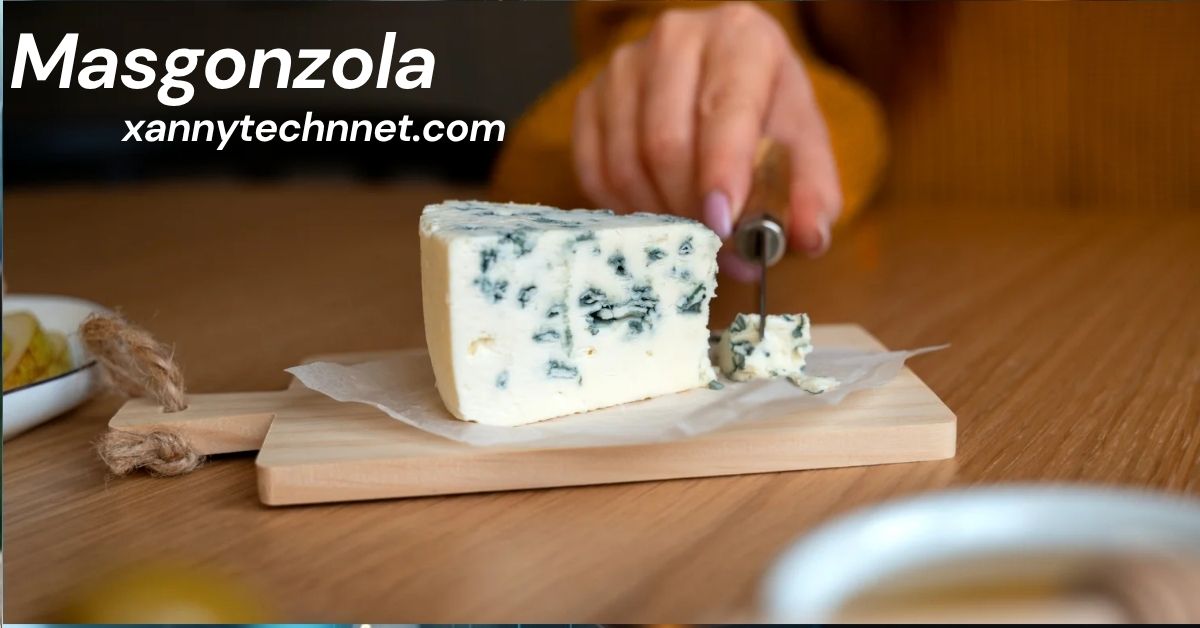
Masgonzola is a unique and luxurious Italian cheese sauce that has been making waves in the culinary world. This rich and creamy sauce combines two iconic cheeses: mascarpone and Gorgonzola. The result is a velvety, indulgent sauce with a perfect balance of flavors – the smooth richness of mascarpone paired with the bold, tangy flavor of Gorgonzola. It’s a versatile ingredient that elevates various dishes, from pasta to meats, and even desserts. In this article, we’ll explore everything you need to know about Masgonzola – its origins, uses, variations, and how you can make it at home.
What is Masgonzola?
Masgonzola is a blend of two renowned Italian cheeses. On one hand, you have mascarpone, a creamy, soft cheese that’s often used in desserts like tiramisu. On the other hand, Gorgonzola, a blue cheese known for its sharp, tangy flavor, adds an assertive kick to the sauce. When combined, these cheeses create a velvety sauce with a complex flavor profile that balances sweetness, tang, and umami. It’s often used as a topping or dip for various dishes, and its versatility makes it a favorite among chefs and home cooks alike.
The Origins of Masgonzola: Where Tradition Meets Innovation
Masgonzola is rooted in Italy’s rich history of cheese-making. Both mascarpone and Gorgonzola have long-standing traditions, with mascarpone originating in the Lombardy region and Gorgonzola hailing from Piedmont. The combination of these two cheeses into a sauce like Masgonzola represents a beautiful marriage of two beloved Italian dairy products.
Though it might not have a long-standing history as a named product, the idea of combining mascarpone and Gorgonzola is a modern twist that appeals to contemporary tastes. It’s often found in gourmet Italian restaurants and is also popular among foodies who enjoy experimenting with flavors.
Also Read: Insoya: A Modern Plant-Based Solution for Health, Wellness, and Sustainability
How Is Masgonzola Made?
Making Masgonzola is relatively simple, but it requires high-quality ingredients to achieve the perfect balance of flavors. The basic ingredients are mascarpone, Gorgonzola, heavy cream, and butter. The process involves gently heating the cheeses together to form a smooth, creamy sauce. Some recipes might include garlic, herbs, or white wine to add additional layers of flavor.
Here’s a basic breakdown of the process:
- Melt the Butter: Begin by melting butter in a pan over medium heat.
- Add Heavy Cream: Once the butter has melted, add heavy cream and let it heat up until it begins to simmer.
- Incorporate the Mascarpone and Gorgonzola: Add mascarpone and Gorgonzola to the pan. Stir continuously until the cheese melts and the mixture becomes smooth and creamy.
- Season: For extra flavor, you can season the sauce with garlic, salt, pepper, and herbs like thyme or rosemary.
- Serve: Once the sauce has thickened to your desired consistency, it’s ready to be served over pasta, grilled meats, or even as a dip.
Uses of Masgonzola: Elevating Your Culinary Creations
Masgonzola is an incredibly versatile sauce, and it can be used in various ways to elevate your dishes. Here are some ideas for incorporating Masgonzola into your meals:
- Pasta: Masgonzola is a natural companion to pasta. The creamy sauce coats the pasta beautifully, adding richness and depth. Try it with fettuccine, ravioli, or even gnocchi for a luxurious meal.
- Pizza: Use Masgonzola as a base for a gourmet pizza. Its creamy texture pairs perfectly with toppings like pears, walnuts, or even arugula.
- Grilled Meats: Masgonzola also makes a fantastic sauce for meats, particularly beef, chicken, or pork. It’s the perfect accompaniment to steak or grilled sausages.
- Vegetables: Drizzle Masgonzola over roasted vegetables like asparagus, Brussels sprouts, or cauliflower for a rich and decadent side dish.
- Risotto: Stir Masgonzola into risotto for a creamy, flavorful dish. It pairs particularly well with mushrooms, spinach, or chicken.
- Desserts: Believe it or not, Masgonzola can even be used in desserts! Its sweetness and tang can balance out the richness of chocolate or provide a creamy contrast to fruit-based desserts.
Masgonzola Variations: Experimenting with Flavor
While the classic Masgonzola sauce is made from mascarpone, Gorgonzola, butter, and cream, there are plenty of ways to customize the sauce to suit your taste. Here are a few variations to consider:
- Herbed Masgonzola: Add fresh herbs like rosemary, thyme, or sage to infuse the sauce with aromatic flavors.
- Garlic Masgonzola: For an extra burst of flavor, sauté garlic in the butter before adding the cream and cheese.
- Spicy Masgonzola: Add a pinch of chili flakes or a dash of hot sauce to give the sauce a spicy kick.
- Wine Masgonzola: Add a splash of white wine to the sauce while it’s cooking for added depth and acidity.
- Vegetarian Masgonzola: For a vegetarian twist, use vegetable stock instead of butter and cream. You can also add sautéed mushrooms to complement the flavors.
Nutritional Information: Is Masgonzola Healthy?
Like many rich and indulgent sauces, Masgonzola is calorie-dense due to its creamy base of cheese and butter. However, it also provides some beneficial nutrients. Here’s a rough breakdown of the nutritional content:
Also Read: Newtopy: A Comprehensive Guide to the Smart Digital Networking Platform Revolutionizing Connectivity
- Calories: A typical serving of Masgonzola contains around 250–300 calories.
- Protein: The cheese provides a decent amount of protein, around 6–8 grams per serving.
- Fat: Given the creamy ingredients, it’s a high-fat sauce, with around 20 grams of fat per serving. However, it contains a balance of healthy fats from the cheese and butter.
- Calcium: Both mascarpone and Gorgonzola are excellent sources of calcium, supporting bone health.
While it’s not a health food, when enjoyed in moderation, Masgonzola can be a delightful addition to your meals.
Where to Find Masgonzola
Masgonzola might not be available pre-made in most supermarkets, but the ingredients for making it are easy to find. You can purchase mascarpone and Gorgonzola from most grocery stores that carry specialty cheeses. For those looking to skip the cooking, some gourmet stores or restaurants may offer Masgonzola as a pre-made sauce, especially in Italian fine dining.
Also Read: Vyxarind Qylorith : The Future of Technology
FAQs About Masgonzola
Can I use other cheeses instead of Gorgonzola?
Yes, you can experiment with other blue cheeses, like Roquefort or Stilton, for a different flavor profile.
Is Masgonzola vegetarian?
Yes, it is vegetarian as it contains no meat. However, if you’re concerned about rennet, check for vegetarian-friendly cheese options.
Can I make Masgonzola ahead of time?
Masgonzola can be made ahead of time and stored in the refrigerator for up to 3 days. Reheat gently before serving.
What can I serve Masgonzola with?
Masgonzola pairs wonderfully with pasta, pizza, grilled meats, vegetables, and even some desserts.
Can I make Masgonzola lactose-free?
You can experiment with lactose-free mascarpone and Gorgonzola, though the flavor might differ slightly from the traditional version.
Conclusion: Why Masgonzola Is Worth the Hype
Masgonzola is a deliciously indulgent Italian cheese sauce that brings together the creamy smoothness of mascarpone and the bold tang of Gorgonzola. Whether you’re using it on pasta, pizza, meats, or even in desserts, it adds a rich, velvety texture and complex flavor to any dish. With its versatility and luxurious taste, it’s no wonder that Masgonzola has become a favorite among chefs and food lovers alike. So, next time you’re in the kitchen, give Masgonzola a try and elevate your culinary creations to a whole new level.