


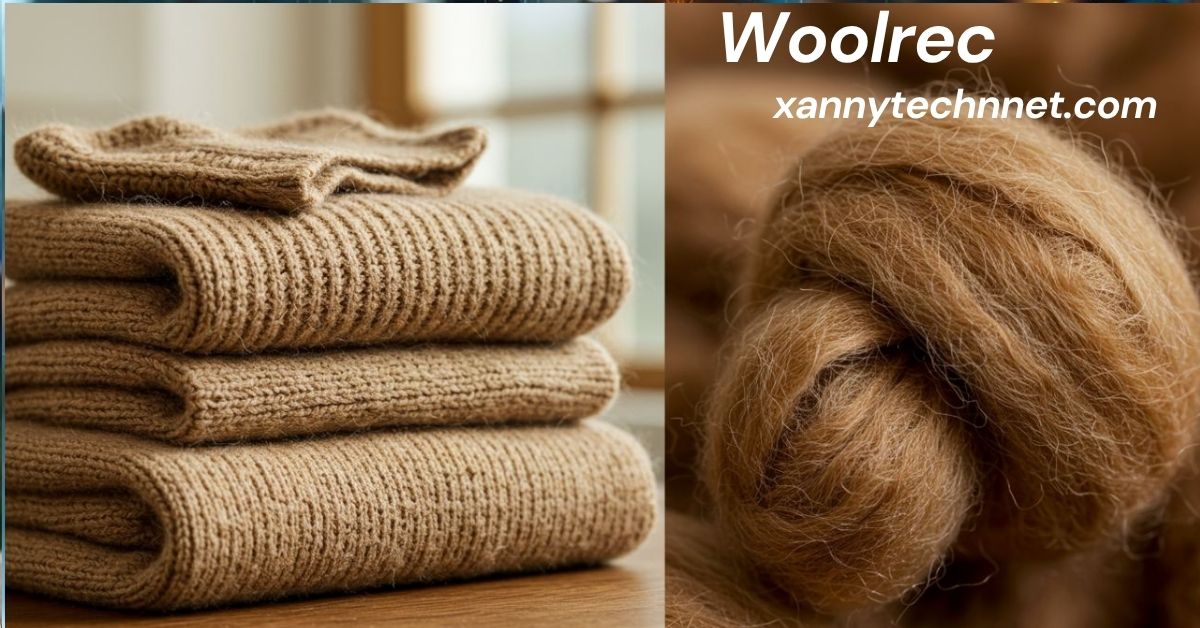
Woolrec represents an innovative approach to wool recycling, offering a sustainable solution to the challenges posed by the textile industry. By transforming discarded wool into valuable resources, woolrec not only addresses pressing environmental concerns but also paves the way for a circular economy in the fashion and textile sectors. As woolrec gains traction globally, it becomes an essential part of the sustainable fashion movement, contributing to a cleaner, more efficient future.
What is Woolrec?
Woolrec is the process of recycling wool fibres and wool-based textile materials into new, usable products. The primary goal of woolrec is to divert wool waste—such as worn-out garments, production offcuts, and discarded textiles—from landfills, reducing environmental impact while creating valuable new products. Woolrec employs advanced recycling methods that preserve wool’s natural benefits, such as warmth, moisture-wicking, breathability, and durability.
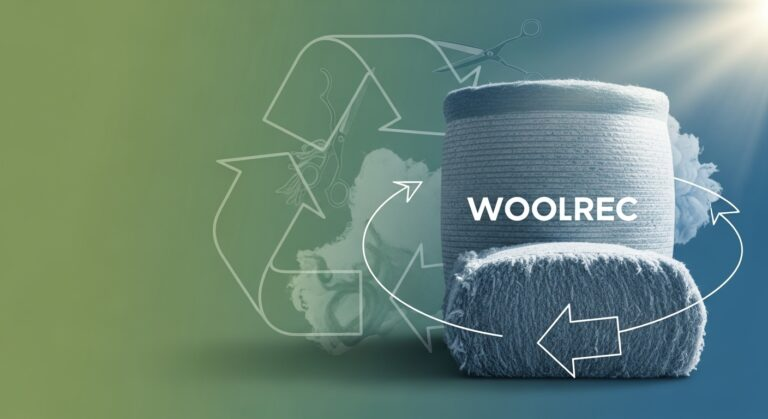
The recycling process includes several stages, including sorting, cleaning, reprocessing, and manufacturing new wool-based products. Woolrec focuses on preserving the quality of wool fibres, which is crucial for maintaining the material’s performance and appeal in the marketplace. Through woolrec, companies can reduce their reliance on virgin wool, contributing to a more sustainable textile production model.
The Environmental Importance of Woolrec
Addressing the Textile Waste Problem
The global textile industry is responsible for significant environmental challenges, including waste generation, water consumption, and high carbon emissions. Wool, as a natural fibre, offers several benefits over synthetic textiles, but when discarded, it still contributes to the growing waste problem. Discarded wool textiles often end up in landfills or incinerators, where they take years to decompose, adding to the burden of waste management.
Also Read: Adsy.pw/hb5: An In-Depth Overview of Its Offerings
By focusing on wool recycling, woolrec helps mitigate the environmental impact of textile waste. Wool is biodegradable, but when mixed with synthetic fibres or treated with chemicals, its decomposition is delayed, making it harder to recycle. Woolrec addresses these issues by ensuring that wool waste is diverted from landfills and recycled into valuable products that can be reused in new textile applications.
Reducing the Need for Virgin Wool
Wool is a renewable resource, but the production of virgin wool requires significant land, water, and energy. Raising sheep, the primary source of wool, contributes to land degradation, water consumption, and greenhouse gas emissions. The wool industry also has an impact on animal welfare, with concerns related to the treatment of sheep in some regions.
Woolrec helps reduce the demand for virgin wool by recycling existing wool fibres. This approach not only reduces the environmental impact of wool production but also conserves natural resources. By closing the loop on wool production and consumption, woolrec contributes to a more sustainable textile industry.
Conserving Water and Energy
The process of producing new wool requires substantial water and energy. Sheep farming, wool washing, carding, spinning, and weaving are resource-intensive activities. By recycling wool, woolrec helps to reduce the water and energy required to produce new wool textiles. Recycled wool uses fewer resources compared to virgin wool, making it a more energy-efficient and water-conserving option.
The Woolrec Process: From Waste to Wearable
The woolrec process involves several key stages that ensure wool waste is effectively transformed into high-quality, reusable materials. These stages include:
1. Collection and Sourcing
The first step in the woolrec process is the collection of wool waste. This can include discarded wool garments, production offcuts, and post-consumer wool textiles. Brands and manufacturers that implement woolrec systems often provide collection points for consumers to drop off unwanted wool items, reducing the amount of wool that ends up in landfills.
Sourcing wool waste involves working with various stakeholders, including garment manufacturers, retailers, and consumers. Many companies are introducing take-back programs to collect used wool products directly from customers, ensuring that the wool is properly recycled rather than being discarded.
2. Sorting and Grading
Once the wool waste is collected, it is sorted and graded based on fibre content, colour, and quality. Wool is often blended with other fibres, such as polyester or nylon, which can complicate the recycling process. Sorting is essential to ensure that only pure wool or wool blends that can be recycled effectively are processed.
Also Read: Foenegriek: The Ultimate Guide to Fenugreek and Its Health Benefits
Grading the wool involves assessing its quality and determining the most appropriate method for recycling. Higher-quality wool can be reused in premium textile applications, while lower-quality wool may be used for other purposes, such as insulation or industrial textiles.
3. Cleaning and Decontamination
Wool waste is often contaminated with dirt, oils, dyes, and other chemical finishes. Before recycling can take place, the wool must be thoroughly cleaned to remove these contaminants. The cleaning process is essential for ensuring that the wool fibres are in good condition for reprocessing.
Decontamination can involve various methods, such as washing, scouring, and chemical treatments, depending on the type of contamination. After cleaning, the wool is ready for reprocessing into new materials.
4. Reprocessing
The next step in the woolrec process is the reprocessing of wool fibres. There are two main methods of wool recycling: mechanical recycling and chemical recycling.
- Mechanical Recycling: This method involves breaking down the wool fibres through mechanical processes such as shredding, carding, and spinning. The fibres are then reassembled into new yarns or fabrics. Mechanical recycling is the most common method used in woolrec because it retains much of the original wool’s properties, such as warmth and resilience.
- Chemical Recycling: Chemical recycling involves dissolving the wool fibres to regenerate new wool material. This process is more complex and requires advanced technologies but offers the potential for higher-quality recycled wool that can be used in a wider range of products. Chemical recycling is an emerging technology that is gaining attention for its ability to create high-quality wool from waste fibres.
5. Manufacturing New Products
Once the wool has been reprocessed, it can be spun into yarn and woven or knitted into new products. Recycled wool can be used in a wide variety of applications, including fashion, home textiles, and industrial products.
Fashion companies are increasingly using recycled wool in their collections, offering consumers a more sustainable option for clothing and accessories. Woolrec is also being used in the production of home textiles, such as rugs, blankets, and upholstery, where the insulating and durable properties of wool make it an ideal material.
Industrial applications of recycled wool include insulation, soundproofing, and automotive textiles. The versatility of woolrec makes it a valuable resource in a wide range of industries, contributing to the growth of the circular economy.
The Benefits of Woolrec
1. Environmental Sustainability
The most significant benefit of woolrec is its positive impact on the environment. By recycling wool, the need for new wool production is reduced, helping to conserve natural resources such as water and energy. Additionally, woolrec helps to reduce textile waste, preventing wool garments and other wool products from ending up in landfills.
Recycling wool also reduces the carbon footprint associated with wool production. By using existing wool fibres rather than producing new ones, woolrec helps to lower greenhouse gas emissions, making it a more environmentally friendly option.
2. Economic Opportunities
Woolrec creates new economic opportunities by opening up markets for recycled wool products. Companies that adopt woolrec systems can reduce their dependence on virgin wool, lowering material costs and creating new products from recycled materials. This can also lead to job creation in the recycling industry, as new facilities and infrastructure are developed to process wool waste.
The growth of woolrec also encourages innovation in the textile and fashion industries. As demand for sustainable materials increases, manufacturers are exploring new ways to incorporate recycled wool into their products. This innovation can lead to more cost-effective and sustainable production processes, benefiting both businesses and consumers.
3. Ethical Consumerism
Consumers today are more conscious of the environmental and ethical implications of their purchasing decisions. Woolrec offers a solution for consumers who want to make more sustainable choices by purchasing recycled wool products. By supporting brands that use recycled wool, consumers can reduce their environmental impact and contribute to a circular economy.
Woolrec also aligns with the growing trend of ethical fashion, where consumers seek out products that are produced in a socially responsible and environmentally sustainable way. By promoting woolrec, brands can appeal to these consumers and differentiate themselves in a competitive market.
Challenges in Woolrec
While woolrec offers many benefits, there are still challenges that need to be addressed to ensure its widespread adoption. These challenges include:
1. Mixed Fibres
One of the main challenges in woolrec is the prevalence of mixed fibres in wool garments. Many wool products are blended with synthetic fibres, such as polyester or nylon, which can complicate the recycling process. Separating wool from synthetic fibres is a difficult and costly task, and it may not always be possible to recycle wool from blended fabrics.
Also Read: GM Sócrates: The Strategic Genius Revolutionizing Brazilian Chess
2. Scale of Collection and Recycling
Scaling up woolrec to meet the growing demand for recycled wool requires significant investment in infrastructure, including collection systems, sorting facilities, and recycling plants. The lack of widespread collection programs for wool waste can limit the amount of wool available for recycling.
3. Quality Control
Recycled wool can sometimes be of lower quality than virgin wool, especially if the recycling process degrades the fibres. Ensuring that recycled wool maintains the same performance standards as virgin wool is essential for its success in the market. Companies must invest in research and development to improve the quality of recycled wool and make it a viable alternative to virgin wool.
The Future of Woolrec
As the demand for sustainable materials continues to grow, woolrec is poised to play an increasingly important role in the textile industry. Advances in recycling technologies, along with greater consumer awareness and support, will drive the growth of woolrec systems. In the future, we may see a more widespread adoption of woolrec practices, with recycled wool becoming a standard material in fashion, home textiles, and industrial applications.
The key to success lies in collaboration—between manufacturers, consumers, and recycling companies. By working together, we can build a circular economy for wool and ensure that this valuable material is used efficiently and responsibly.
FAQs About Woolrec
How does recycled wool compare to virgin wool?
Recycled wool can be comparable to virgin wool in terms of warmth, durability, and comfort. However, the quality of recycled wool may vary depending on the recycling process. Some high-quality recycled wool is indistinguishable from virgin wool, while others may be blended with new wool to improve performance.
Can woolrec be applied to all types of wool garments?
Not all wool garments are suitable for recycling, especially if they are blended with synthetic fibres. Pure wool or wool-blended garments are the best candidates for recycling, as they can be processed more easily.
Is recycled wool more expensive than virgin wool?
Recycled wool can sometimes be more expensive due to the cost of collection, sorting, and reprocessing. However, as recycling technologies improve and scale increases, the cost difference between recycled and virgin wool is expected to decrease.
How can I participate in woolrec?
Consumers can participate in woolrec by donating their old wool garments to recycling programs or purchasing products made from recycled wool. Some brands also offer take-back programs for used wool items.
What are the benefits of woolrec for the environment?
Woolrec helps reduce textile waste, conserve natural resources, and lower carbon emissions associated with wool production. By recycling wool, we can contribute to a more sustainable textile industry and reduce our environmental footprint.
Conclusion
Woolrec represents a significant step forward in the journey toward a more sustainable and circular textile economy. By transforming discarded wool into valuable new products, woolrec not only reduces waste but also conserves natural resources, lowers carbon emissions, and creates economic opportunities. As the demand for sustainable fashion and textiles grows, woolrec provides a solution that aligns with both consumer values and environmental needs.
The process of recycling wool, while still facing challenges such as mixed fibres and scaling issues, has immense potential to reshape the way we produce and consume wool-based products. As technology advances and consumer awareness grows, woolrec can become a mainstream solution that benefits not only the fashion and textile industries but also the planet as a whole.
Ultimately, woolrec is about more than just recycling; it’s about fostering a mindset of sustainability, circularity, and responsibility. By supporting brands that adopt woolrec practices, consumers can make a tangible difference in reducing waste and promoting the reuse of valuable materials. Woolrec’s role in creating a more sustainable and ethical textile industry is undeniable, and with continued innovation and collaboration, it will undoubtedly play a crucial role in shaping the future of fashion and textiles.