


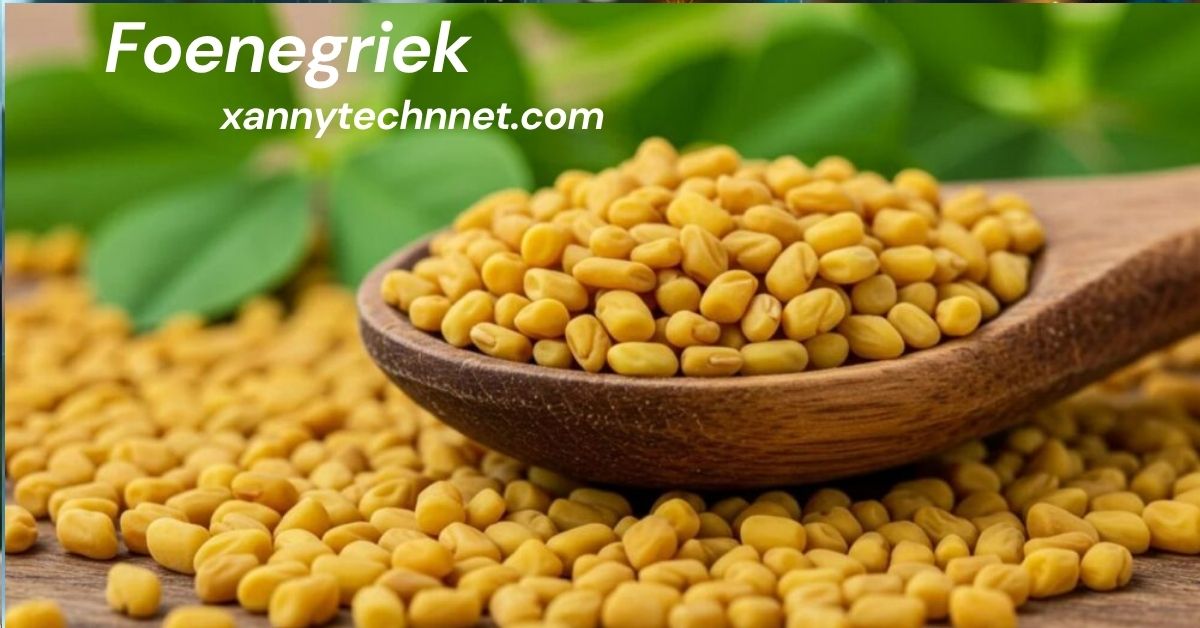
Foenegriek, also known as fenugreek, is a powerful herb with a rich history and numerous health benefits. This herb, native to the Mediterranean region and parts of Asia, has been used for centuries in traditional medicine and cooking. Its seeds are known for their versatility and numerous applications, from adding flavor to dishes to supporting overall health. In this comprehensive guide, we will explore everything you need to know about foenegriek, including its nutritional profile, health benefits, uses, and more.
What is Foenegriek ?
Foenegriek, or fenugreek, is an herb that belongs to the legume family. Its scientific name is Trigonella foenum-graecum, and it is widely known for its aromatic seeds, which have been used in various culinary and medicinal practices. The plant itself has green leaves and small white flowers, and its seeds are small, flat, and golden brown. The seeds are the most commonly used part of the plant, as they contain essential compounds that provide a wide range of health benefits.
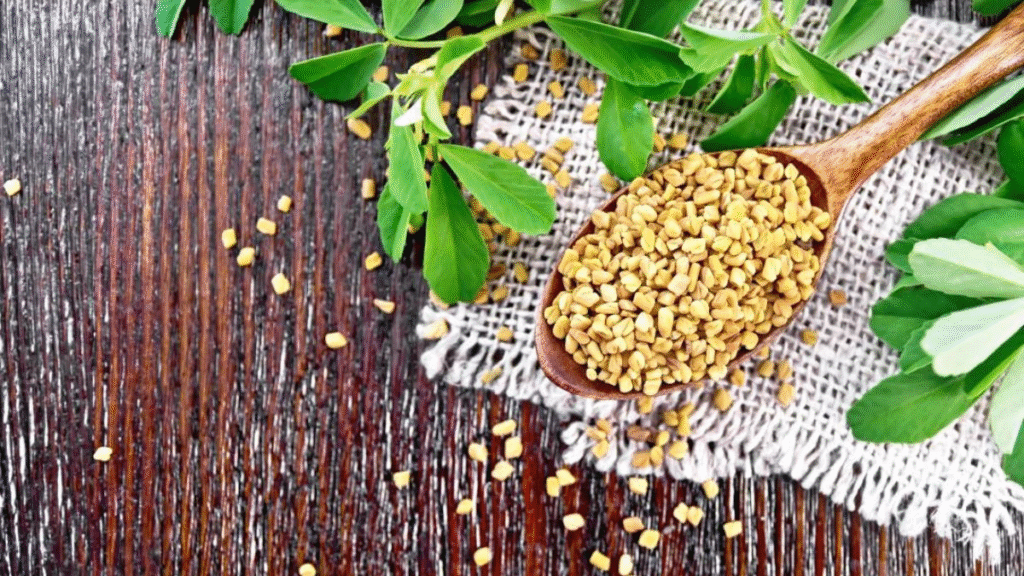
Fenugreek is native to the Mediterranean region, but it is also grown in parts of Asia, including India, where it plays a crucial role in Ayurvedic medicine. Over time, its popularity spread to different parts of the world, making it a staple in both cooking and natural health remedies.
Nutritional Value of Foenegriek
Foenegriek seeds are rich in various nutrients, including fiber, protein, and vitamins. Here is a breakdown of the key nutrients found in fenugreek:
- Protein: Fenugreek seeds are a good source of plant-based protein, which is essential for building and repairing tissues in the body.
- Fiber: The high fiber content in fenugreek seeds helps with digestion and can promote a feeling of fullness, making it useful for weight management.
- Vitamins: Fenugreek is rich in several vitamins, including vitamin A, vitamin C, and B vitamins like folate and niacin, which are essential for maintaining healthy skin, boosting the immune system, and supporting energy production.
- Minerals: The herb is also a good source of minerals like iron, magnesium, and manganese, which are important for overall body function, including healthy blood circulation and bone health.
- Antioxidants: Fenugreek contains antioxidants that help protect the body from free radical damage, contributing to the prevention of chronic diseases like cancer and heart disease.
Health Benefits of Foenegriek
Fenugreek has been used for centuries in traditional medicine due to its ability to improve various aspects of health. Some of the key health benefits of foenegriek include:
1. Supports Digestive Health
Fenugreek is known for its high fiber content, which can help improve digestive health. It promotes regular bowel movements, reducing the likelihood of constipation. Additionally, the herb has been shown to soothe the digestive tract and alleviate symptoms of acid reflux, indigestion, and bloating.
2. Helps Control Blood Sugar Levels
Research suggests that fenugreek can be beneficial for people with diabetes. It has been shown to help regulate blood sugar levels by improving insulin sensitivity. The high fiber content in fenugreek may also slow the absorption of sugar into the bloodstream, helping to prevent blood sugar spikes.
3. Promotes Healthy Breast Milk Production
Foenegriek is often used by breastfeeding mothers to help increase milk production. The herb contains compounds that mimic estrogen, a hormone that plays a role in lactation. Studies have shown that fenugreek can stimulate milk production, making it a popular choice for new mothers who are struggling with breastfeeding.
4. Boosts Testosterone Levels
Fenugreek has been shown to have potential benefits for men, particularly in boosting testosterone levels. Some studies suggest that fenugreek can enhance testosterone production and improve symptoms related to low testosterone, such as decreased libido, fatigue, and muscle loss.
5. Improves Cholesterol Levels
Fenugreek may have a positive effect on cholesterol levels, helping to lower bad cholesterol (LDL) while increasing good cholesterol (HDL). This makes fenugreek a valuable herb for promoting heart health and reducing the risk of cardiovascular diseases.
6. Supports Weight Loss
Due to its high fiber content, fenugreek may help with weight management. The fiber helps promote feelings of fullness, which can reduce overall calorie intake. Additionally, fenugreek has been shown to improve metabolism, which can further aid in weight loss.
7. Fights Inflammation
Fenugreek has anti-inflammatory properties, making it beneficial for reducing inflammation in the body. This can help with conditions such as arthritis, where inflammation plays a major role in joint pain and stiffness.
8. Enhances Skin Health
The antioxidants and anti-inflammatory properties of fenugreek make it a great option for improving skin health. It can help reduce acne and other skin conditions by preventing the buildup of toxins in the body. Additionally, fenugreek is sometimes used topically in face masks to soothe and hydrate the skin.
9. Improves Hair Health
Fenugreek is a popular herb in hair care, as it is believed to promote hair growth and prevent hair loss. The vitamins and minerals found in fenugreek support healthy hair follicles, improve scalp health, and can even prevent dandruff.
Also Read: Trucofax: The Future of Digital Communication and Information Sharing
How to Use Foenegriek (Fenugreek)
Fenugreek is a versatile herb that can be used in a variety of ways. Here are some of the most common methods for incorporating foenegriek into your diet and wellness routine:
1. Fenugreek Tea
One of the simplest ways to enjoy the benefits of fenugreek is by making fenugreek tea. To make the tea, simply steep a teaspoon of fenugreek seeds in hot water for about 10 minutes. You can add honey or lemon to taste.
2. Fenugreek Supplements
Fenugreek supplements are widely available in the form of capsules, tablets, or powders. These supplements are a convenient way to reap the health benefits of fenugreek without having to prepare it in your meals.
3. Culinary Uses
Fenugreek seeds are commonly used in Indian and Middle Eastern cuisine. They add a slightly bitter, nutty flavor to dishes like curries, stews, and soups. You can use whole or ground fenugreek seeds as a spice in your cooking. Fenugreek leaves, known as methi, are also used in salads and as a garnish.
4. Topical Applications
For skin and hair care, you can make a paste using fenugreek powder and water, which can be applied directly to the skin or scalp. The paste is believed to soothe skin irritations, reduce acne, and improve hair health.
Side Effects and Precautions
While fenugreek is generally considered safe for most people, it’s important to be aware of potential side effects. Some individuals may experience allergic reactions, such as skin irritation or stomach upset. Additionally, fenugreek may interact with certain medications, particularly those related to blood sugar control and blood thinning. Always consult a healthcare provider before starting a new supplement or remedy, especially if you are pregnant, breastfeeding, or taking medications.
Also Read: Nahttypen: A Comprehensive Guide
Frequently Asked Questions (FAQs)
What is foenegriek used for?
Foenegriek is commonly used for its health benefits, including improving digestion, regulating blood sugar levels, supporting milk production in breastfeeding mothers, and boosting testosterone levels.
How can I consume foenegriek?
You can consume foenegriek in various forms, including tea, capsules, powder, or as a spice in cooking. Fenugreek leaves can also be used in salads.
Is foenegriek safe to use during pregnancy?
While fenugreek is generally safe, it’s important to consult with a healthcare provider before using it during pregnancy, as it may stimulate uterine contractions.
Can foenegriek help with hair growth?
Yes, fenugreek is commonly used to promote hair growth and prevent hair loss due to its nutrient-rich profile, which supports healthy hair follicles.
Does foenegriek help with weight loss?
The fiber in foenegriek can promote feelings of fullness, which may help reduce calorie intake and aid in weight management. It also helps improve metabolism.
Conclusion
Foenegriek, or fenugreek, is a powerful herb with a range of health benefits. From supporting digestive health and managing blood sugar levels to improving skin and hair health, foenegriek is a versatile herb that can easily be incorporated into your daily routine. Whether you choose to consume it as a tea, supplement, or spice, the benefits of foenegriek are undeniable. As with any herb or supplement, it’s important to consult with a healthcare provider before use to ensure it’s safe for you.