


Asbestlint is a term used to describe a specific type of asbestos-containing material, commonly abbreviated as ACM. It is primarily made from woven or fibrous asbestos strands and was widely used in many industries throughout the twentieth century. While it once played an important role in construction, manufacturing, and industrial safety, asbestlint is now known to pose serious health and environmental risks.
Today, asbestlint is no longer viewed as a helpful or safe material. Instead, it is recognized as a hazardous substance that requires careful handling, professional management, and strict legal control. Despite bans and regulations, asbestlint is still present in many older buildings, machines, and products across the United States.
What Is Asbestlint?
Asbestlint refers to a woven or tape-like asbestos material made from asbestos fibers twisted or braided together. The fibers were often derived from chrysotile asbestos, though other asbestos types were sometimes used. The result was a flexible but strong material that could resist heat, friction, and chemical damage.
In simple terms, asbestlint is asbestos formed into a cloth, tape, rope, or strip. Because of its physical structure, it was easy to wrap around pipes, seal joints, insulate machinery, or protect surfaces from high heat.
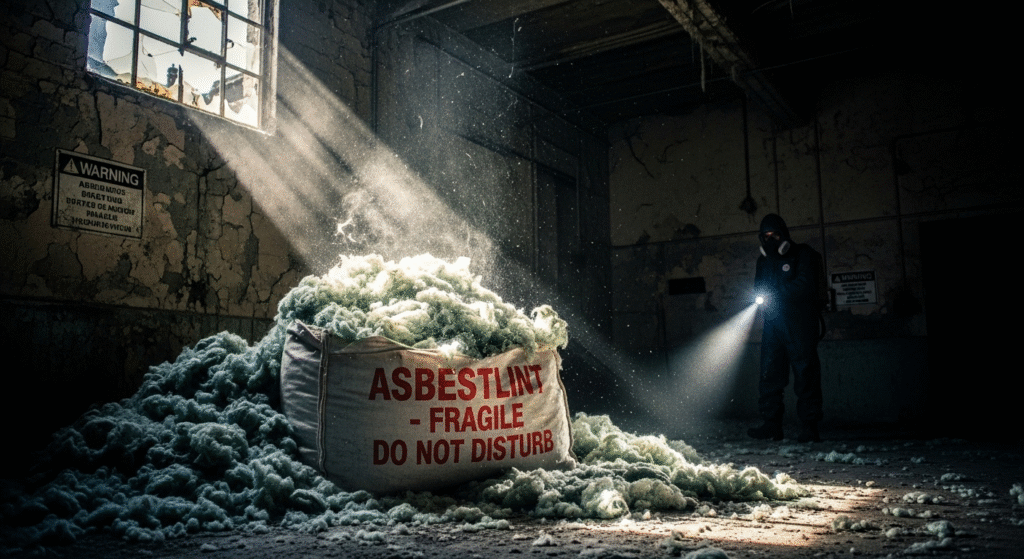
Unlike loose asbestos dust, asbestlint looks solid and controlled. This appearance led many people to believe it was safe. However, when asbestlint ages, breaks, or is disturbed, it releases tiny asbestos fibers into the air, which can be extremely dangerous when inhaled.
Historical Background of Asbestlint
Asbestlint became popular during the early to mid-1900s, a time when asbestos was seen as a miracle material. Industries needed products that could handle extreme heat and stress, and asbestos met those needs at a low cost.
During World War II, asbestlint was heavily used in ships, military vehicles, factories, and power plants. It helped protect equipment and workers from fire and heat. After the war, its use expanded into civilian buildings, homes, schools, and public infrastructure.
At that time, the health risks of asbestos were not widely known or were ignored. Companies promoted asbestlint as safe and reliable. Workers handled it without protective equipment, and it was installed in places where people lived and worked every day.
By the 1970s and 1980s, medical research clearly linked asbestos exposure to serious diseases. This marked the beginning of asbestos regulation and the gradual phase-out of materials like asbestlint.
Why Asbestlint Was Widely Used
Asbestlint had several qualities that made it attractive for industrial and commercial use.
It was highly heat resistant and could withstand very high temperatures without burning or melting. This made it ideal for boilers, furnaces, and steam systems.
It was strong and durable, meaning it did not easily tear or wear out. This reduced maintenance costs.
It was flexible and easy to shape, allowing workers to wrap it around pipes or fit it into tight spaces.
It was resistant to chemicals and corrosion, which made it useful in factories and chemical plants.
These benefits made asbestlint seem like a perfect solution. Unfortunately, the long-term health impact was not considered seriously at the time.
Also Read: Afruimwagens: A Complete, Practical, and Modern Guide for Today’s Agriculture
Common Uses of Asbestlint in the Past
Asbestlint was used in many areas across different industries. Some of the most common uses included pipe insulation, where it was wrapped around hot water or steam pipes.
It was also used in gasket materials to seal joints in engines and machinery.
In electrical systems, asbestlint acted as insulation to protect wires from heat.
Factories used it to line ovens, kilns, and furnaces.
Ships and trains used asbestlint for fireproofing and thermal insulation.
Even some household appliances and heating systems contained asbestlint components.
Understanding these uses is important today because many older buildings and machines still contain these materials.
Health Risks Associated With Asbestlint
The main danger of asbestlint comes from asbestos fibers becoming airborne. When the material is damaged, cut, sanded, or even aged, microscopic fibers can be released.
When inhaled, these fibers can lodge deep in the lungs. The body cannot break them down or remove them easily. Over time, this can cause serious diseases.
One major disease linked to asbestlint exposure is asbestosis. This is a chronic lung condition that causes scarring of lung tissue, leading to breathing problems.
Another risk is lung cancer. People who were exposed to asbestos over long periods have a much higher risk, especially if they also smoked.
Mesothelioma is a rare but aggressive cancer almost exclusively caused by asbestos exposure. It affects the lining of the lungs, chest, or abdomen and often appears decades after exposure.
There is no safe level of asbestos exposure. Even small amounts over time can increase health risks.
Why Asbestlint Is Still a Concern Today
Even though new use of asbestos is heavily restricted or banned in many places, asbestlint has not disappeared. Many buildings constructed before the 1980s still contain it.
When these buildings are renovated, repaired, or demolished, asbestlint may be disturbed. This creates a risk for construction workers, maintenance staff, and occupants.
Natural aging also causes asbestlint to become brittle. Over time, it can release fibers even without direct disturbance.
Because symptoms of asbestos-related diseases take many years to appear, exposure today may not show effects until decades later. This makes prevention and awareness extremely important.
Legal Status of Asbestlint in the United States
In the United States, asbestos is heavily regulated but not completely banned in all forms. Agencies like the Environmental Protection Agency and the Occupational Safety and Health Administration set strict rules for handling asbestos-containing materials.
Asbestlint falls under these regulations. Its use in new products is extremely limited, and its handling requires trained professionals.
Building owners are responsible for identifying asbestos materials and managing them safely. Workers must be trained and use protective equipment.
Improper removal or disposal of asbestlint can lead to serious legal penalties, including fines and lawsuits.
Identifying Asbestlint in Buildings
Asbestlint is not always easy to identify by appearance alone. It may look like ordinary cloth tape or insulation.
Also Read: URLwo: Revolutionizing URL Creation and Management for Better User Experience
Common signs include fibrous or woven material around pipes or joints, especially in older buildings.
The safest way to confirm the presence of asbestlint is through professional testing. Certified inspectors take samples and analyze them in a lab.
Trying to test or remove asbestlint without training is dangerous and strongly discouraged.
Safe Management of Asbestlint
If asbestlint is found and is in good condition, it may be safer to leave it undisturbed. This is known as management in place.
Encapsulation is another option. This involves sealing the material with a protective coating to prevent fiber release.
Removal is necessary when asbestlint is damaged or likely to be disturbed. This process must be done by licensed asbestos abatement professionals.
Proper disposal involves sealing the material in approved containers and sending it to designated hazardous waste facilities.
Modern Alternatives to Asbestlint
Today, many safer materials have replaced asbestlint. These include fiberglass tapes, ceramic fibers, and high-temperature synthetic fabrics.
These alternatives provide similar heat resistance without the severe health risks.
Modern building codes require the use of non-asbestos materials, making new construction much safer.
Environmental Impact of Asbestlint
Asbestlint not only affects human health but also the environment. Improper disposal can contaminate soil and water.
Old landfills containing asbestos materials can become long-term environmental hazards.
Strict disposal regulations aim to prevent asbestos fibers from entering the environment, but past practices have left lasting issues.
Economic Impact and Liability Issues
Asbestlint has created significant financial challenges. Cleanup and remediation costs are high.
Many companies have faced lawsuits related to asbestos exposure, leading to bankruptcies and compensation funds.
Property owners must invest in inspections and abatement, which can be costly but necessary for safety and compliance.
Public Awareness and Education
One of the biggest lessons from the history of asbestlint is the importance of transparency and education.
People now demand safer materials and better information about health risks.
Training programs for workers and public awareness campaigns have helped reduce exposure.
However, ongoing education is still needed, especially for homeowners and small businesses.
Future Outlook for Asbestlint Management
The future focus is on safe management rather than widespread removal unless necessary.
Advances in detection technology may make it easier to identify asbestos materials.
Stronger regulations and enforcement continue to reduce the risk of exposure.
Long-term health monitoring for exposed individuals remains a priority.
Also Read: Pantagonar: The Ultimate Guide to a Natural Supplement for Hair, Nails, and Total Wellness
Ethical Lessons From the Use of Asbestlint
The story of asbestlint highlights the ethical responsibility of industries to prioritize health over profit.
It also shows the importance of listening to scientific evidence early.
Modern material development now includes long-term safety testing as a standard practice.
Asbestlint in Residential Settings
In homes, asbestlint is often found in basements, around old heating systems, or in attic insulation.
Homeowners should never attempt DIY removal.
Professional inspections are especially important before renovations.
Awareness can prevent accidental exposure and protect families.
Asbestlint in Industrial and Commercial Buildings
Factories, schools, hospitals, and offices built before modern regulations often contain asbestlint.
Regular inspections and maintenance plans are required.
Clear labeling and access restrictions help reduce risk.
Psychological and Social Impact of Asbestos Exposure
Beyond physical illness, asbestos exposure causes emotional stress and anxiety.
Families of affected individuals face long-term emotional and financial challenges.
Support groups and legal assistance play an important role in recovery and justice.
Trust and Responsibility in Modern Construction
Today’s construction industry has learned from the mistakes associated with asbestlint.
There is a stronger focus on worker safety, transparency, and accountability.
This shift builds trust between companies, workers, and the public.
Conclusion
Asbestlint is a powerful example of how a once-valued material can later be recognized as a serious hazard. While it played an important role in industrial development, its health and environmental costs have been profound.
Understanding asbestlint today is not just about history. It is about awareness, prevention, and responsible management. By learning how to identify, handle, and regulate asbestos-containing materials, we can protect current and future generations.
This knowledge empowers individuals, property owners, and professionals to make informed decisions and maintain safer environments.
Frequently Asked Questions About Asbestlint
What makes asbestlint more dangerous than other asbestos materials?
Asbestlint is often flexible and located in areas that are frequently disturbed, increasing the risk of fiber release.
Can asbestlint be present in homes built after 1990?
It is very unlikely, but reused materials or imported products could still contain asbestos in rare cases.
Does painting over asbestlint make it completely safe?
Painting can reduce fiber release but does not remove the hazard. Regular monitoring is still required.
Is short-term exposure to asbestlint dangerous?
Even short-term exposure can increase health risks, especially if fibers are inhaled.
Can air testing detect asbestlint?
Air testing can detect asbestos fibers but cannot always identify the exact source without material sampling.
Are there health screenings for people exposed to asbestlint?
Yes, doctors can offer imaging and lung function tests for those with known exposure.
Is asbestlint disposal regulated differently from other asbestos products?
Disposal rules are generally similar but depend on local and state regulations.
Can asbestlint be recycled?
No, asbestos-containing materials cannot be recycled and must be disposed of as hazardous waste.
Why was asbestlint not banned earlier?
Early scientific warnings were ignored or suppressed, and regulations lagged behind research findings.
What should tenants do if they suspect asbestlint in a rental property?
They should notify the property owner and request a professional inspection instead of taking action themselves.