


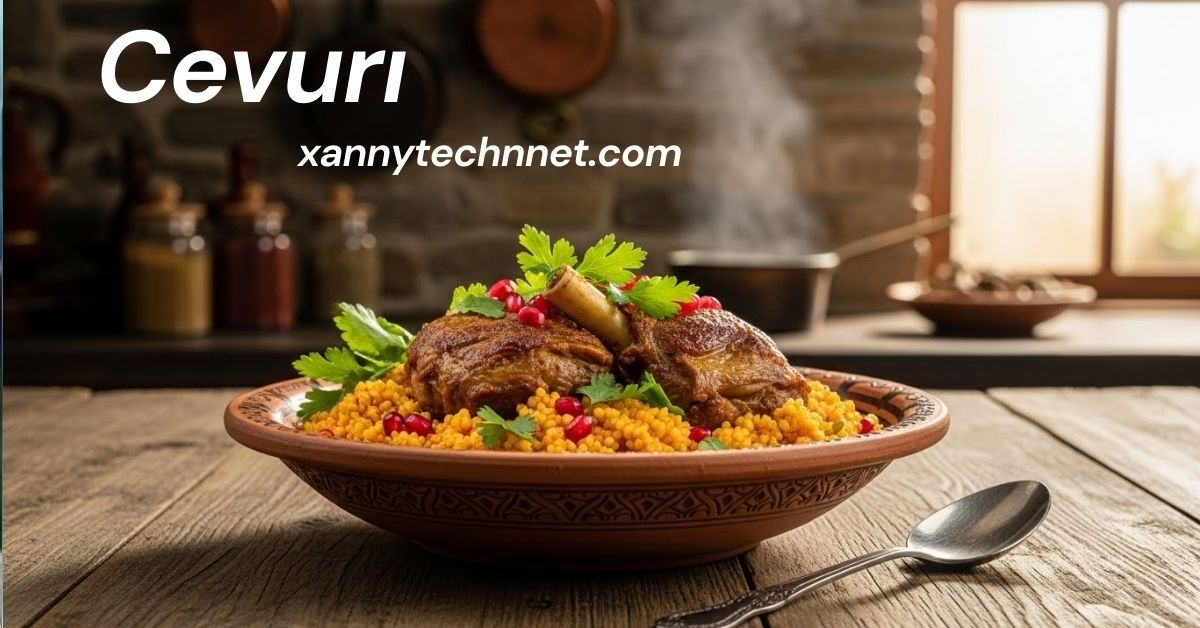
Cevurı is a traditional Turkish dish that reflects the deep culinary history of Anatolia. It is not a fast meal or a trendy recipe created for modern tastes. Instead, cevurı represents patience, balance, and respect for ingredients. For generations, families across rural and urban Turkey have prepared cevurı using simple methods passed down through oral tradition.
At its core, cevurı is a slow-cooked dish made with tender lamb or beef, grains, vegetables, and carefully selected spices. What makes cevurı special is not complexity, but harmony. Every ingredient has a purpose. Every step matters. The result is a comforting, rich, and satisfying meal that feels both humble and deeply nourishing.
What Is Cevurı?
Cevurı is a traditional Anatolian dish made by slow-cooking meat with grains and vegetables over low heat. The cooking process allows flavors to blend slowly, creating a soft texture and deep taste. While recipes differ by region and family, the heart of cevurı remains the same.
The dish is often prepared for family gatherings, seasonal celebrations, and community meals. It is not rushed. Cevurı is usually cooked in large pots and shared, reinforcing its role as a social and cultural food.
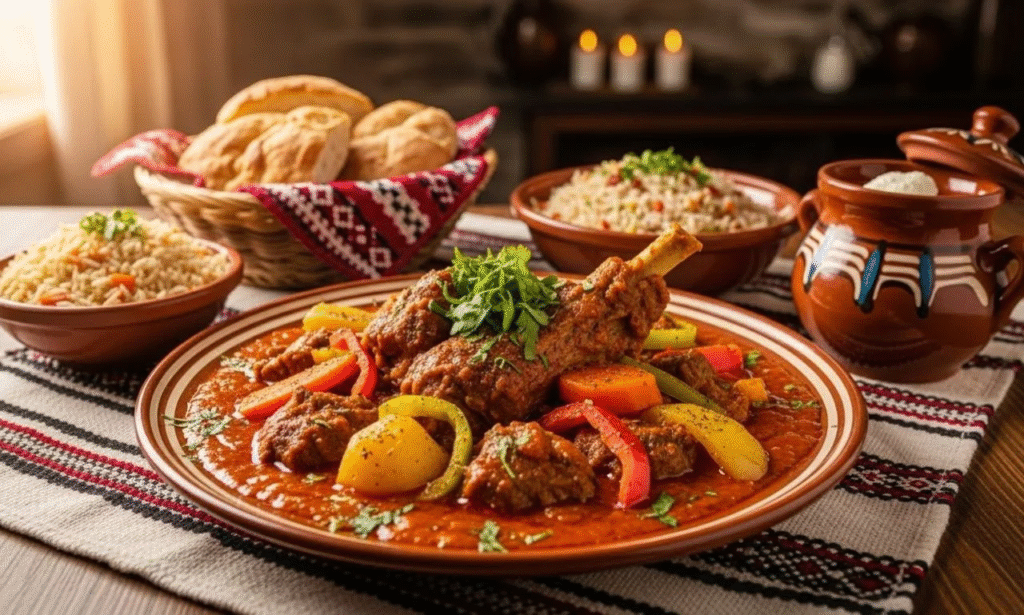
Unlike heavily spiced or fried dishes, cevurı focuses on natural flavors. The meat is tender, the grains are soft, and the vegetables add sweetness and depth. This balance makes cevurı suitable for many diets and age groups.
The Origins of Cevurı in Anatolia
Anatolia, the historical heart of modern Turkey, has been home to many civilizations. From ancient farmers to nomadic tribes, people in this region learned how to cook meals that were filling, affordable, and nutritious. Cevurı was born from this practical wisdom.
In early Anatolian life, families relied on livestock, grains, and seasonal vegetables. Slow cooking was common because it saved fuel and made tough cuts of meat easier to eat. Cevurı fits perfectly into this lifestyle.
The dish was especially popular in villages where people worked long hours in fields. A pot of cevurı could cook slowly while work continued. By evening, a complete meal was ready without constant attention.
Over time, cevurı became associated with hospitality. Serving cevurı to guests showed care and respect. Even today, many people link the dish to memories of grandparents, village kitchens, and shared tables.
Cultural Importance of Cevurı
Cevurı is more than food. It is a symbol of togetherness. In Turkish culture, meals are moments of connection. Cevurı often appears during important life events such as weddings, religious gatherings, and seasonal festivals.
Also Read: Messonde: Meaning, Benefits, and How It Shapes Modern Progress
In rural areas, neighbors may gather to prepare cevurı together. Each person has a role, from chopping vegetables to watching the fire. This shared effort strengthens community bonds.
Cevurı also reflects values such as patience and gratitude. The long cooking time reminds people that good things take time. The simple ingredients teach appreciation for what is available.
Core Ingredients Used in Cevurı
While cevurı recipes vary, most versions include a few essential ingredients.
Meat is central to cevurı. Lamb is the most traditional choice, valued for its rich flavor. Beef is also common, especially in regions where cattle are more available. The meat is usually cut into large pieces to prevent drying during slow cooking.
Grains give cevurı its body. Bulgur wheat is widely used, but some regions prefer cracked wheat or barley. These grains absorb the cooking liquid and flavors.
Vegetables add balance and nutrition. Onions are almost always included. Carrots, tomatoes, and peppers are common additions, depending on the season.
Fats and seasonings are used carefully. Olive oil or animal fat adds richness. Salt, black pepper, and mild herbs enhance flavor without overpowering the dish.
Traditional Cooking Method of Cevurı
The cooking method is what truly defines cevurı. The dish is cooked slowly over low heat, often for several hours. This method allows collagen in the meat to break down, creating tenderness.
Traditionally, cevurı is cooked in a heavy pot, sometimes clay or cast iron. These materials distribute heat evenly. In villages, it may still be cooked over wood fire, which adds subtle depth.
Water or broth is added gradually. The goal is not to boil but to simmer gently. Stirring is minimal, as too much movement can break grains and meat.
By the end of cooking, the texture should be thick but not dry. The meat should be soft enough to separate easily. The grains should be fully cooked and flavorful.
Regional Variations of Cevurı
Turkey’s diverse geography has influenced many versions of cevurı. Each region adds its own touch while respecting the dish’s core identity.
In Central Anatolia, cevurı is often heavier, with more grains and less liquid. This version is filling and ideal for cold winters.
In Eastern regions, spices may be slightly stronger. Some cooks add red pepper for warmth and color.
Coastal areas may include olive oil and fresh herbs, giving cevurı a lighter taste. These versions feel fresher and are popular in warmer months.
Despite differences, all versions share the same philosophy of simplicity and slow cooking.
Nutritional Value of Cevurı
Cevurı is not only comforting but also nutritious. Its balanced ingredients provide essential nutrients.
Also Read: Gastroshiza: A Comprehensive, Easy-to-Read Guide for Patients, Families, and Caregivers
The meat supplies high-quality protein, iron, and vitamin B12. These nutrients support muscle health and energy levels.
Grains like bulgur offer complex carbohydrates and fiber. They help with digestion and provide lasting energy.
Vegetables contribute vitamins, minerals, and antioxidants. Onions and carrots, for example, support immune health.
Because cevurı is slow-cooked and not fried, it is easier to digest and lower in unhealthy fats than many modern dishes.
Why Cevurı Fits Modern Healthy Eating Trends
In the United States, many people are moving away from processed foods. They want meals that feel real and nourishing. Cevurı fits perfectly into this shift.
The dish uses whole ingredients with minimal processing. There are no artificial flavors or additives.
Slow cooking preserves nutrients and enhances flavor naturally. This reduces the need for excess salt or fat.
Cevurı also supports mindful eating. Its rich taste encourages slower meals and smaller portions, which can help with weight control.
Cevurı in Today’s Kitchens
While cevurı is deeply traditional, it adapts well to modern kitchens. Home cooks can prepare it using slow cookers or Dutch ovens.
Busy families appreciate that cevurı can cook unattended for hours. It is ideal for meal prep, as flavors improve the next day.
Restaurants focused on authentic or comfort cuisine have also begun offering cevurı-inspired dishes. This helps introduce the dish to new audiences.
How to Serve Cevurı
Cevurı is usually served hot, straight from the pot. It is often accompanied by simple sides.
Fresh bread is common, used to scoop the dish and absorb sauce. A light salad with lemon balances the richness.
Yogurt is another traditional side. Its cool, tangy taste complements the warm flavors of cevurı.
The dish is best enjoyed slowly, shared with others, and eaten without distraction.
Cevurı Compared to Similar Dishes
Many cultures have slow-cooked meat and grain dishes, but cevurı has unique traits.
Unlike stews, cevurı is thicker and more integrated. The grains are not separate but fully blended into the dish.
Compared to pilaf, cevurı has more moisture and meat presence. It feels heartier and more complete.
These differences make cevurı stand out as its own category of comfort food.
Preserving the Authenticity of Cevurı
As cevurı gains popularity, preserving its authenticity is important. Modern twists should respect the dish’s core values.
Using fresh, quality ingredients matters more than adding new flavors. Shortcuts that reduce cooking time can harm texture and taste.
Teaching younger generations how to cook cevurı keeps the tradition alive. Food heritage survives through practice, not just recipes.
The Emotional Connection to Cevurı
For many people, cevurı is linked to memory. The smell of it cooking can bring back childhood moments.
Food like cevurı offers emotional comfort. It connects people to home, family, and identity.
In a fast-moving world, such dishes remind us to slow down and appreciate simple pleasures.
Cevurı and Sustainability
Cevurı supports sustainable cooking practices. It uses affordable cuts of meat that benefit from slow cooking.
Seasonal vegetables reduce environmental impact. Leftovers can be reused, reducing food waste.
These qualities align with growing interest in sustainable and responsible eating.
Future of Cevurı
Cevurı is unlikely to disappear. Instead, it is being rediscovered by people seeking authentic food experiences.
As food education grows, cevurı may appear more often in cookbooks and culinary programs.
Its simplicity and depth ensure that it remains relevant, even as tastes change.
Also Read: Erectn: A Complete, Updated, and In-Depth Guide for Understanding Male Sexual Health
Common Misunderstandings About Cevurı
Some think cevurı is complicated, but it is not. The steps are simple, even if cooking takes time.
Others assume it is heavy or unhealthy. In truth, it is balanced and nourishing when prepared traditionally.
Understanding these points helps people appreciate the dish fully.
Cevurı as a Symbol of Anatolian Wisdom
Cevurı reflects a way of life built on patience, care, and respect for food. It shows how simple ingredients can create something meaningful.
This wisdom is valuable today, as people search for deeper connections in everyday life.
Cevurı teaches that food is not just fuel. It is culture, memory, and shared experience.
Frequently Asked Questions About Cevurı
What makes cevurı different from a regular stew?
Cevurı uses grains that fully integrate with the meat and liquid, creating a thicker and more unified texture than a typical stew.
Can cevurı be made without meat?
Yes, some modern versions replace meat with legumes or mushrooms, though traditional cevurı always includes meat.
Is cevurı spicy?
Cevurı is usually mild. Spices are used lightly to enhance natural flavors, not to create heat.
How long does cevurı take to cook?
Traditional cevurı can take two to four hours, depending on ingredients and heat level.
Is cevurı suitable for meal prep?
Yes, cevurı stores well and often tastes better the next day as flavors deepen.
What is the best grain to use for cevurı?
Bulgur wheat is the most common and traditional choice, offering good texture and flavor.
Can cevurı be frozen?
Yes, cevurı can be frozen in portions and reheated gently without losing quality.
Why is cevurı considered a comfort food?
Its warm texture, rich flavor, and cultural associations create a sense of emotional comfort.
Is cevurı healthy for children?
Yes, its soft texture and balanced nutrition make it suitable for children.
How can beginners avoid mistakes when cooking cevurı?
Use low heat, allow enough time, and avoid over-stirring to maintain proper texture.
Final Thoughts on Cevurı
Cevurı is a powerful example of how traditional food can remain relevant in modern life. It offers nourishment, comfort, and cultural depth in one dish.
By understanding cevurı beyond basic descriptions, we gain insight into Anatolian heritage and timeless cooking principles.
For anyone seeking authentic, meaningful food, cevurı is not just a meal. It is an experience worth preserving and sharing.